What's inside
As an Amazon Associate I earn from qualifying purchases. This post may contain affiliate links at no extra cost to you.
ch DeWalt Framing Nailer Should You Buy?
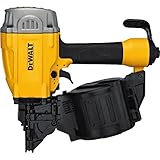
If you want a DeWalt framing nailer for occasional-to-regular work without buying a compressor, the 20V MAX DCN21PL (21° cordless) is the right pick for most people. If you frame all day, every day, or already own a compressor, a pneumatic like the DWF83PL delivers faster cycling, lighter weight, and a lower tool cost. The real decision comes down to four variables: power source, magazine angle, nail-size compatibility, and how easily each design clears jams — and those variables matter more than any spec-sheet headline.
As an Amazon Associate we earn from qualifying purchases at no extra cost to you.


Sections
The Lineup at a Glance
DeWalt’s framing nailer range splits cleanly into two camps:
- 20V MAX cordless (brushless): DCN21PL (21° plastic-collated) and the older dual-speed DCN692 (30–34° paper tape). These use a sealed nitrogen/spring drive system — no gas cartridges, no flywheel spin-up — so they fire instantly like a pneumatic.
- Pneumatic: DWF83PL (21° plastic-collated) and DWF83PT (30–34° paper tape). Both run at 70–120 PSI and are the lighter, faster option for sustained production work.
| Model | Power | Magazine Angle | Nail Range | Magazine Capacity | Tool Weight (approx.) | Jam Clearing |
|---|---|---|---|---|---|---|
| DCN21PL (cordless) | 20V MAX battery | 21° plastic | 2″–3-1/4″ | ~49 nails (2 racks) | ~8.1 lbs bare; ~9.5 lbs with 5Ah pack | Tool-free top-door release + stall-release lever |
| DCN692 (cordless) | 20V MAX battery | 30–34° paper tape | 2″–3-1/2″ | ~55 nails | ~7.8 lbs bare | Tool-free jam release; stall-release lever resets driver |
| DWF83PL (pneumatic) | Air, 70–120 PSI | 21° plastic | 2″–3-1/4″ | ~60 nails | ~8.0 lbs | Tool-free swing-open nose door |
| DWF83PT (pneumatic) | Air, 70–120 PSI | 30–34° paper tape | 2″–3-1/2″ | ~60 nails | ~8.0 lbs | Tool-free swing-open nose door |
Cordless vs. Pneumatic: The Real Trade-Offs
Speed and rhythm
Pneumatics fire as fast as you can bounce the nose — roughly 3+ nails per second in bump mode. The cordless models use sequential or selectable bump firing but add a brief cycle time between shots; you’re realistically looking at 2–3 nails per second, which is fine for walls and sheathing but noticeable on a big deck or production framing crew. There’s no flywheel delay like older cordless designs, but the driver still has to reset.
Weight and fatigue
On paper the weights look similar, but add a 5Ah battery and the DCN21PL lands about 1.5 lbs heavier than the DWF83PL — plus you’re dragging an air hose on the pneumatic. Overhead work (rafters, joist hangers, blocking) favors the lighter pneumatic; crawl spaces, punch lists, and rooftop work where hoses are a hazard favor cordless.
Cost of ownership — a worked example
Say you frame a basement and a deck over a year: roughly 8,000 nails.
- Cordless route: DCN21PL bare tool runs in the $300–$400 range; add a 5Ah battery and charger (~$150–$200 if you don’t own DeWalt 20V). Total: ~$450–$600. A 5Ah pack realistically delivers 500–700 nails per charge depending on lumber density and temperature — so one battery covers a day of intermittent work, two cover continuous framing.
- Pneumatic route: DWF83PL around $200–$280, but you need a compressor ($200–$350 for a decent 6-gallon pancake or twin-stack) plus hose and fittings (~$50–$80). Total: ~$450–$700 — unless you already own a compressor, in which case it’s clearly cheaper.
The crossover point: if you already own either a compressor or DeWalt 20V batteries, stay in that ecosystem. Starting from zero, costs are nearly a wash — decide on workflow instead.
Magazine Angle: 21° vs. 30–34°
Angle determines nail collation type and tight-corner access:
- 21° plastic-collated (DCN21PL, DWF83PL): Full round-head nails, the most code-accepted option everywhere, including jurisdictions that require round heads for structural framing. Plastic collation sheds small fragments; strips are cheaper per nail. Downside: the magazine sticks out farther, which is awkward between studs on 16″ centers.
- 30–34° paper tape (DCN692, DWF83PT): Compact magazine fits between studs cleanly. Paper collation leaves almost no debris. Clipped-head or offset round-head nails are typical — verify your local code accepts clipped heads before buying a pallet of nails.
Jam Clearing and Depth Adjustment
All four tools use tool-free jam doors, but the experience differs. On the pneumatics, a jam means flipping the nose door open, pulling the bent nail, and you’re back in under a minute. On the cordless models, jams are rarer (consistent drive energy, no pressure dips) but occasionally the driver blade stalls mid-stroke — you use the stall-release lever on top of the nose to reset the piston, then open the door. It’s an extra step, so keep the lever action in mind if you’re buying for a crew where downtime compounds.
Depth control is tool-free on all models: a thumb wheel adjusts drive depth. On cordless, depth consistency is excellent because drive energy doesn’t fluctuate; on pneumatic, depth depends on regulated air pressure — set your compressor around 100–110 PSI and fine-tune at the tool rather than chasing the regulator.
Decision Matrix
| Your situation | Best pick | Why |
|---|---|---|
| DIYer, a few projects a year, own DeWalt 20V batteries | DCN21PL | Lowest added cost, no compressor to store, code-friendly 21° nails |
| Remodeler working in finished homes | DCN21PL | No hose through doorways, no compressor noise, instant setup |
| Full-time framing crew | DWF83PL or DWF83PT | Faster bump-fire rate, lighter all-day weight, lower tool cost per seat |
| Tight stud bays and blocking work | DCN692 or DWF83PT | 30–34° magazine fits between 16″ o.c. framing |
| Code requires full round-head nails | DCN21PL or DWF83PL | 21° plastic strips are full round head |
| Cold-climate work | Pneumatic | Battery output and nailer performance both sag below ~20°F; cordless needs warmed packs |
Ownership Realities
- What wears first: Driver blade and bumper on pneumatics (inspect every ~50,000 cycles); the cordless models’ wear point is the return spring assembly. Both are inexpensive service parts.
- Consumables: Pneumatics need a few drops of pneumatic tool oil daily unless run on an oiled line. Cordless models are oil-free but keep the nose and magazine clean of paper-tape dust.
- Nail quality matters: Cheap off-brand strips cause most “jamming” complaints. Stick with name-brand collation matched to the angle — a 28° strip will feed poorly in a 30–34° magazine.
- Common mistake: Buying the 30–34° paper-tape model for code-required round-head applications, or buying cordless without budgeting for a second battery.
FAQ
Can a cordless DeWalt framing nailer sink 3-1/2″ nails into engineered lumber?
Yes for LVL and most engineered lumber in sequential mode, though cordless drivers occasionally leave heads proud in dense Microllam or wet PT stock — plan on a quick hammer tap or step up to pneumatic for heavy engineered lumber.
How many nails per charge does the DCN21PL get?
DeWalt rates the platform in the range of several hundred shots per 5Ah charge; real-world figures land around 500–700 depending on nail length and lumber density. Two batteries cover a full day comfortably.
Is the DCN692 still worth buying in 2026?
Only if you specifically need the 30–34° compact magazine in cordless form, or find it discounted. For most buyers the DCN21PL is the newer, better-supported choice.