What's inside
As an Amazon Associate I earn from qualifying purchases. This post may contain affiliate links at no extra cost to you.
Sections
Our Top Picks


Why the clip matters
A tape measure clip is a small part, but a poor one can slow you down all day. It needs to hold the tape securely while you climb, kneel, or reach, then let you draw it without snagging your belt or catching your shirt. The right choice depends on the tape, belt, and how often you take the tool on and off—not on how many features the clip has.
Many tapes come with a belt clip already fitted. If it stays put and doesn’t dig into your side, there may be no reason to replace it. A separate holder makes more sense when the stock clip is loose, damaged, uncomfortable, or incompatible with your tool-belt setup.
As an Amazon Associate we earn from qualifying purchases at no extra cost to you.


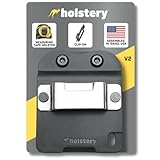

Common clip types
A standard metal belt clip attaches directly to the tape’s case and hooks over a belt or pocket. It’s compact and quick to use, but the tape can bounce loose if the clip is shallow or the belt is thin. A dedicated pouch or holster surrounds more of the case. It usually holds the tape more securely, though it takes up space and can make one-handed access slower.
Some belt systems accept a removable tape holder that docks onto a matching attachment. This is useful if you move tools between belts, but only if the mount is compatible with your existing setup. Don’t assume clips and docks from different systems will fit just because they look similar.
For most carpenters, start by comparing tape measure belt clips and holders against the tape case dimensions and belt width. A generic holder can work well, but check that it doesn’t block the lock button or make the tape sit so high that it catches on your apron.
Clip and holder comparison
| Type | Best for | Trade-off | Check before buying |
|---|---|---|---|
| Stock case clip | Everyday use and minimal bulk | May be uncomfortable or loose on some belts | Clip depth, screw fit, and belt thickness |
| Replacement metal clip | Replacing a bent or worn clip | Fit is often specific to the tape case | Screw spacing and case compatibility |
| Fabric or leather pouch | Keeping the tape enclosed on active jobs | Bulkier and slower to draw | Case size, closure, and belt-loop width |
| Removable dock holder | Moving a tape between compatible belts | Costs more and depends on a matching mount | Exact system compatibility and clearance |
Fit and compatibility come first
Measure the tape case, not just the blade width. A holder listed for a 25-foot tape may not fit every 25-foot model: cases vary in width, depth, and shape. If the holder encloses the case, compare its internal dimensions with the tape. Leave enough clearance to remove the tape without forcing it, but not so much that it rattles out when you bend down.
For a replacement clip, check the screw pattern and mounting surface. A clip that almost fits can crack a plastic case when tightened, or spin on a curved surface. Use the manufacturer’s replacement part when available. If you use a universal clip, make sure the fastener sits flat and does not protrude into the case or interfere with the blade.
Also check your belt. A clip designed for a thin trouser belt may not pass over a padded tool belt. Try it on the actual belt with the tape loaded; a holder that fits an unloaded belt can become awkward once pouches press against it.
Materials, retention, and wear
Steel clips are slim and generally resist bending better than thin plastic, but sharp edges can wear fabric or scratch finished work. Rounded edges and a smooth finish matter if you wear the tape against clothing. Plastic clips can be lighter and inexpensive, but repeated flexing, cold weather, and impacts can make brittle designs crack. Neither material guarantees a good fit: the clip’s shape and attachment are just as important.
For climbing, framing, or working from ladders, prioritize retention over speed. A pouch with a flap or a deep holder reduces the chance of dropping the tape, but a flap can get in the way when measuring repeatedly. On a bench or during finish work, a simple clip may be faster and less bulky. If the tape has to be pulled free with both hands, the holder is probably too tight or poorly positioned.
Consider whether the clip lets the tape hang vertically or tilt outward. A tape that swings into your leg can be irritating on stairs and when kneeling. A pouch may control the swing, while a low-profile clip keeps the tool close to the belt. Try the position on both sides of your dominant hand; the best side is the one that allows a clean draw without colliding with a hammer loop or pencil pocket.
Buying and installing without guesswork
If your current clip is merely uncomfortable, first reposition the tape or move it to a different belt loop. That costs nothing and may solve the problem. If the clip is bent, inspect the mounting screws and case before ordering a replacement. A loose screw can mimic a failed clip; tighten it carefully, because overtightening can strip plastic threads.
When a stock clip doesn’t suit the job, compare replacement tape-measure clips with a pouch rather than assuming a larger clip is better. A replacement is usually the cheaper fix if the case has a standard, intact mounting point. Choose a pouch if you need more protection or your tape’s case shape makes clip retention unreliable.
Before relying on a new setup, test it at ground level. Clip in the tape, walk, crouch, and climb a few steps; then draw and return it several times. Tug upward and sideways to check whether it releases unexpectedly. Look for snagging on clothing, blocked controls, and contact with nearby tools. If it moves during these checks, it is likely to come off when you are working faster or higher up.
For occasional home use, a basic clip that fits securely is usually enough. For daily site work, pay for a holder only when it solves a real problem—lost tapes, damaged cases, poor access, or discomfort. The most useful clip is the one that stays attached without making the tape slower to reach.