What's inside
As an Amazon Associate I earn from qualifying purchases. This post may contain affiliate links at no extra cost to you.
Hand planes don’t travel well loose in a tool bag. A Stanley No. 4 or Veritas low-angle jack will get its sole knocked out of flat, its blade nicked, or its lateral adjuster bent if it’s bouncing against hammers and speed squares in the back of a van. A good site case keeps the sole protected, the blade retracted and isolated, and the whole plane from sliding around. It also keeps moisture off the cast iron, which matters more on site than in a workshop.
You don’t need a bespoke wooden chest for site work. You need something that locks shut, survives being stacked, and can take a drop off a tailgate. Here’s what actually works.
As an Amazon Associate we earn from qualifying purchases at no extra cost to you.


Sections
Our Top Picks

What damages hand planes in transit
Three things kill planes on the move: impact, moisture, and abrasion. Impact chips the mouth and bends cap irons if the plane is free to slide. Moisture from damp vans, rain, and condensation causes rust on soles and blades overnight, especially if you wrap the plane in a damp rag. Abrasion from grit and other tools wears the sole and dulls the edge even when the blade is retracted.
The fix is dead simple: immobilize the plane sole-down on a flat surface, keep metal parts from touching each other, and keep the air inside the case dry. Any case that does those three things reliably is good enough. Anything that doesn’t will cost you sharpening time.
The main case types compared
For site use, four types of case show up again and again. They trade protection, weight, and cost very differently.
| Case Type | Best For | Protection | Weight (empty) | Typical Price |
|---|---|---|---|---|
| ToughSystem / Stackable Hard Case with Foam | 1-3 bench planes + block plane | Excellent – shock and water resistant | 3.5 – 5.5 kg | $60 – $130 |
| Systainer-Style Case with Dividers | Joinery kit: planes, chisels, marking tools | Very good – stackable, dust proof | 2.8 – 4.0 kg | $55 – $110 |
| Traditional Wooden Tool Chest / Japanese Toolbox | Workshop-to-site carry, 2-4 planes | Good – if fitted with dividers | 4.0 – 7.0 kg | $90 – $250 |
| Padded Tool Roll or Wrap in a Duffel | Single plane, light site days | Basic – no crush protection | 0.5 – 1.0 kg | $25 – $50 |
For most carpenters doing first and second fix, a stackable hard case wins. It clips to the rest of your site stack, seals against rain on a flat roof, and you can stand on it without crushing a No. 5 inside. If you only carry a block plane and a No. 4 for snagging, a padded wrap is fine and saves a lot of space.
Foam inserts vs. wooden dividers
How you hold the planes inside matters more than the outer shell.
Pick-and-pluck or Kaizen foam looks tidy and holds a plane perfectly still. Cut the recess sole-down, 10-15mm deep, with a sharp knife and leave 20mm between planes so the sides don’t touch. The downside is foam holds moisture. Closed-cell polyethylene foam is much better than open-cell pick-and-pluck for this reason – it doesn’t soak up water. If you use foam, you must add a rust preventative and you must let planes dry before you case them. Otherwise you will open the box to orange soles.
Wooden dividers and cleats are the traditional fix and they still work best for site conditions. A 6mm plywood divider with a felt or cork liner lets air circulate, doesn’t trap moisture, and you can reconfigure it when you swap a No. 4 for a No. 4-1/2. Screw two small cleats to the base to cradle the toe and heel so the plane can’t slide fore and aft. Line the base with a thin rubber shelf liner to stop vibration. It’s cheaper, lighter than 30mm of foam, and more forgiving if you put a plane away slightly damp.
For a hard case that will live in a van, dividers beat foam for rust prevention. For a case that lives indoors and only goes to site occasionally, foam gives better impact protection.
Best options by how you work
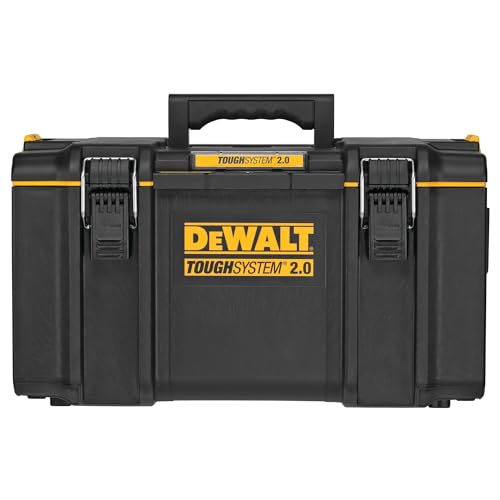
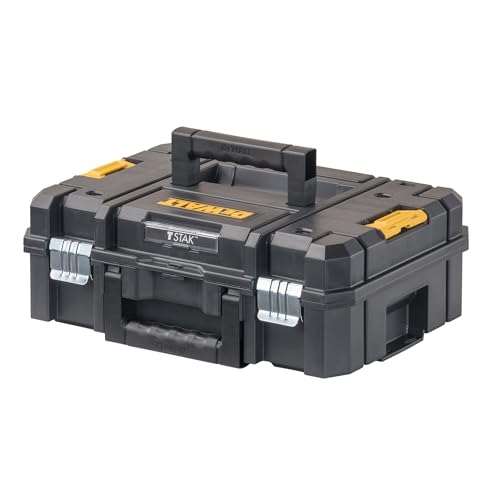
If you carry 1-2 bench planes: A medium stackable case like a DeWalt ToughSystem DS150 or similar stackable tool case with foam insert is the sweet spot. Size DS150 / TSTAK II is about 440 x 330 x 160mm inside – enough for a No. 4 (260mm long) and a low-angle block plane side by side, plus a small oil bottle and honing guide if you keep dividers thin. Remove the deep foam base and fit 12mm plywood dividers. Total weight loaded is under 8kg, which is manageable one-handed up scaffolding.
If you carry a full joinery kit: Look at a deeper systainer-style systainer tool case for hand tools with a shallow tray on top for marking tools and a lower compartment for planes. Keep planes in the bottom sole-down, chisels in the tray in a Tool roll so edges don’t contact the planes. Avoid stacking planes on top of each other – even with blade retracted, the weight will eventually mark the sole.
If you want a wooden option: A Japanese-style toolbox with a sliding lid is surprisingly site-friendly. It’s light, you can repair it, and a 600mm long box will take a No. 5 or No. 6 with room for a shoulder plane. The weakness is weather sealing. If you work outdoors a lot, either varnish it properly and keep it off wet ground, or stick with plastic. For hand-cut joinery on domestic jobs where the box stays inside, wood is pleasant to use and you can fit it out exactly to your kit.
On a budget: You don’t need to buy a new system. A second-hand Stanley FatMax or similar hard case with DIY plywood dividers does 90% of what a $120 case does. The seal won’t be as good, and the latches will wear faster, but the planes won’t know the difference if they’re immobilized. Don’t spend extra on pre-cut foam sets marketed for planes – you’re paying for foam you’ll cut up anyway.
What to avoid
Soft-sided tool bags with no internal structure are the most common way planes get damaged. They offer zero crush protection when another bag is thrown on top. If you must use a bag, put the plane in a dedicated padded hand plane case wrap first so a dropped chisel doesn’t land on the mouth.
Avoid cases where the plane can move more than 3-4mm in any direction. Rattling equals edge damage and means the center of gravity shifts when you carry it. Also avoid magnetic blade guards inside a case – the magnet can drag swarf onto the sole and grind it in.
Don’t store planes with the blade protruding, even a fraction. Fully retract the iron until it is just below the sole, back off the lever cap a quarter turn to relieve pressure on the cap iron, and if it’s a bevel-up plane, check the mouth isn’t wide open to catch on the case.
Keeping planes rust-free in a case
A sealed case traps humid air. On a cold morning, that air condenses on cold cast iron. Two cheap habits prevent most rust.
First, wipe soles and sides with a light coat of camellia oil or 3-in-1 before casing, and wax the sole with paste wax if you have it. It takes 30 seconds and buys you 48 hours of protection. Second, throw in a 10-20g silica gel pack and recharge or replace it monthly. In winter, crack the case open for 10 minutes when you get home so damp air escapes, or leave the lid ajar overnight in a dry workshop.
If you see rust spots after a wet week, the case isn’t the problem – it’s moisture going in with the tools. Dry the tools before they go in, and don’t store oily rags in the same compartment as bare metal. Rags hold moisture and will stain soles.
For long-term van storage, wooden dividers plus a VCI (vapour corrosion inhibitor) paper liner under the planes works better than any amount of foam. VCI paper is cheap, doesn’t leave residue like grease, and you can cut it to fit the base.