What's inside
As an Amazon Associate I earn from qualifying purchases. This post may contain affiliate links at no extra cost to you.
For small carpentry repairs — tightening a loose hinge, re-cutting a sticking door, patching trim, swapping a lockset — you don’t want a full site box. You want a portable box that carries 15-20 hand tools, keeps them from rattling into a pile, and lets you find a marking gauge or block plane without emptying everything onto the floor. The wrong box wastes more time than it saves.
As an Amazon Associate we earn from qualifying purchases at no extra cost to you.


Sections
Our Top Picks

What actually needs to fit
Count your repair kit before you buy the box. A typical small-repair loadout is: 12 oz claw hammer, block plane, trim saw or Japanese pull saw, a 3-piece chisel set (1/2″, 3/4″, 1″), utility knife, 12′ tape, combination square, sliding bevel, marking knife or pencil, nail set, small pry bar or cat’s paw, cordless drill/driver plus bits (if you carry power), plus consumables like screws, brads, wood glue, and sandpaper. That is roughly 15-18 lbs and about 16-18 inches of longest tool.
If your box is shorter than 16″ inside, your saw and level won’t fit. If it’s deeper than 8″ without a tray, your chisels and marking tools sink to the bottom and get nicked. Most damage in portable boxes comes from tools banging together in transit, not from jobsite use. Chisel edges chip, plane soles get scratched, and square heads go out of square after a few car rides loose in a big tub.
Types of portable boxes that work (and where they fail)
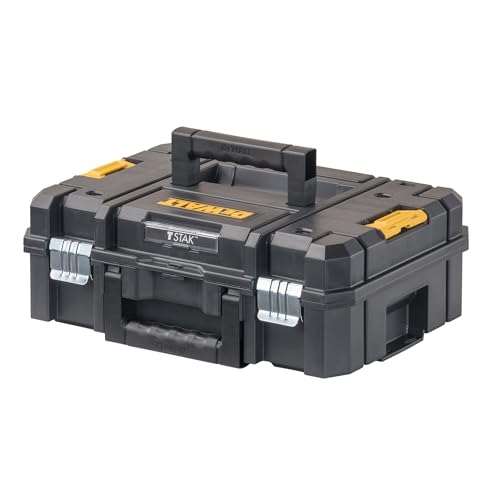
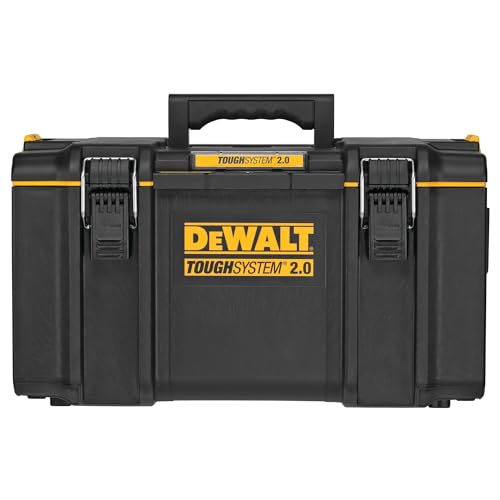
Closed plastic toolbox with lift-out tray: The classic 16″ to 19″ Stanley/DeWalt style. Cheap ($20-$40), weather resistant, and the tray keeps small measuring tools and chisels above the heavy stuff. Failure mode is the tray itself — thin plastic trays flex and crack at the handles after a year, and the single deep bin underneath becomes a junk drawer if you don’t add dividers. Still the best value if you drive to jobs and don’t need to carry far.
Open-top tote: Fabric or molded plastic with a rigid handle in the middle, open for instant access. An open-top tool tote for carpentry is faster than any lidded box when you’re working off a tool belt and need to grab and go. You can see everything. Trade-off: no lid means sawdust, rain, and no stackability. Tools also fall out if the tote tips in the van. Fabric totes rip at the bottom after 2-3 years if you carry chisels unsheathed. Look for a hard, waterproof base and at least 6-8 exterior pockets.
Small metal cantilever / tackle-style box: Two or three fold-out trays on top, deep well below. Excellent organization for chisels, marking tools, driver bits, and fasteners — you can lay out each chisel in its own slot and keep edges protected. The weakness is weight (empty weight 6-8 lbs vs 3-4 lbs for plastic) and the hinge pins. Cheap cantilever boxes sag and won’t stay open. If you walk a lot or carry up stairs, they are tiring.
Low-profile organizer with removable bins: Flat, suitcase-style organizers with adjustable compartments. Great for trim repair where you need lots of fasteners, shims, plugs, and small hardware, but terrible for hand planes and saws — anything over 1.5″ tall won’t fit. Most pros use one as a second box, not the primary.
What to look for before you buy
Measure inside, not outside. Manufacturers list outside length, which can be 1.5″ longer than usable space. You need at least 17″ of clear internal length to lay a 12″ combination square and a small pull saw flat.
Check latch quality. Single flip latches pop open when the box slides in a truck. Dual latches or metal draw latches are worth paying $10 more for. A box that spills on the driveway is how you lose a $35 marking gauge.
Weight empty matters more than you think. A 19″ plastic box empty is ~3.5 lbs. A 16″ steel cantilever is ~7 lbs. Add 16 lbs of tools and you feel the difference after two trips from the parking lot.
Look at how chisels will ride. If there are no dividers or tray sections narrow enough to keep chisels from sliding, plan to add a tool roll or make a plywood divider with 1″ slots. Bare chisels bouncing against a hammer will need re-honing every time you open the box.
Water and dust sealing is not marketing. An IP-style gasket on the lid keeps rain out if the box rides in a truck bed. Open totes have zero protection — fine for indoor work, wrong choice if you work exterior.
Comparison: common portable options for repair work
| Type | Typical Size | Empty Weight | Organization | Best For |
|---|---|---|---|---|
| 16″ Plastic Box with Tray | 16.5″ x 8.5″ x 8″ | 3.2 – 4 lbs | 1 tray + deep bin | Budget repair kit, vehicle-based |
| 19″ Plastic Box with Tray | 19″ x 10″ x 10″ | 3.8 – 5 lbs | 1 tray + deep bin, fits pull saw | General small carpentry if you carry a plane and saw |
| 14″ Open Tote (Fabric) | 14″ – 16″ long, 8″ deep | 2 – 3.5 lbs | Open + 8-12 pockets | Fast indoor repairs, punch-list work |
| 18″ Cantilever Steel Box | 18″ x 8″ x 9″ | 6 – 8 lbs | 2-3 fold-out trays + bin | Organized hand-tool kit, shop-to-site |
| Compact Organizer (Suitcase) | 17″ x 13″ x 3.5″ | 2.5 – 4 lbs | Adjustable bins, no deep well | Fasteners and small parts only |
If you only buy one, a 19″ plastic box with a lift-out tray covers the most small repairs for the least money. It fits a block plane flat in the bottom, keeps your chisels, square, and marking tools separated in the tray, and is light enough to carry one-handed. You don’t need a $70 metal box unless you are protecting expensive hand planes and want trays that stay rigid for years.
How to pack it so tools survive
Put heavy, flat items on the bottom: block plane (blade retracted), small pry bar, combo square. Stand chisels edge-up in the tray with blade guards on, not loose. Tape measures and pencils go in side pockets or tray corners where they can’t wedge under the plane and scratch the sole.
Don’t overload the tray. Most trays are rated for 5-7 lbs. If you pile a hammer and pry bar on the tray, the handles stress and the tray sags. Keep the hammer and pry bar in the bottom well.
Use a small parts case inside the well for fasteners. A $5 divided container stops you from dumping a pound of mixed screws into the bottom. For glue, keep a small bottle upright in a side pocket — if it leaks in a closed box, everything gets sticky.
If you run an open tote, add a tool roll for chisels and a blade guard for your pull saw. The tote’s advantage is speed, but it offers zero edge protection on its own. A $15 canvas roll prevents most edge damage and keeps the tote bottom from being sliced.
When cheap is fine — and when it’s not
A $25 plastic toolbox is fine for light, indoor repair work if you aren’t carrying high-end planes or Japanese chisels. The plastic won’t dent, it hoses clean, and if the latches break you replace the whole thing. Where cheap fails is hinges and trays on daily-use kits and fabric stitching on totes that carry sharp tools. If you make money doing punch-list and trim repairs three days a week, spend $45-$65 on a tote with a hard polypropylene base or a metal-latch plastic box. The upfront cost is less than regrinding one chipped 1″ chisel and replacing one dropped combination square.
Avoid the 22″+ big-mouth boxes for small repairs. They tempt you to throw in extra tools “just in case” and you end up hauling 30 lbs to hang one door. A smaller, organized box that you actually carry to the work area beats a large box that stays in the van.