Our Top Picks
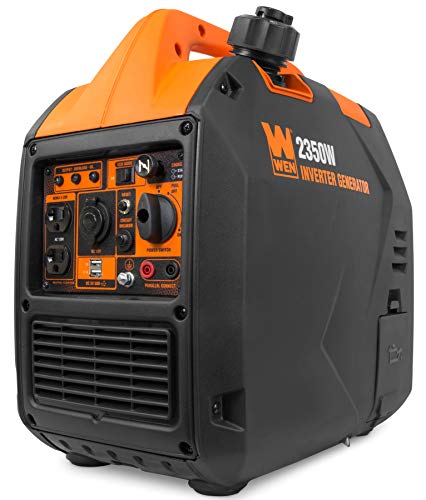 WEN Super Quiet 2350-Watt Portable Inverter Generator with2350W17.3 x 11.5 x 17.5 inches39 poundsCheck on Amazon
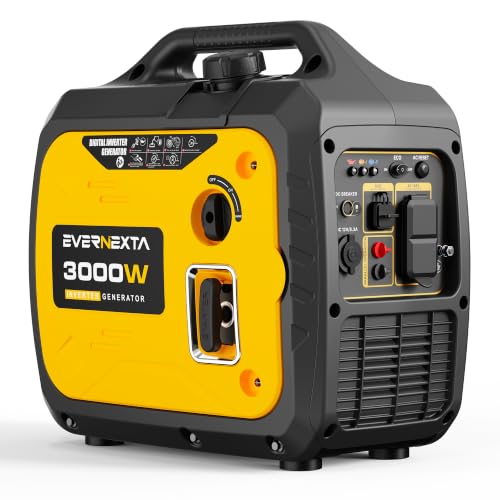
 SIOKIUU 2500W Portable Generator Super Quiet Inverter Generator18.9 x 11.22 x 18.11 inchesCheck on Amazon
 WEN Quiet and Lightweight 4800-Watt RV-Ready Portable Inverter23.8 x 12.6 x 22 inches72.7 poundsCheck on Amazon

What's inside
As an Amazon Associate I earn from qualifying purchases. This post may contain affiliate links at no extra cost to you.
Almost every inverter unit on the shelf is labeled quiet, and almost none of the listings tell you the two facts that make the number mean anything: how far the microphone sat from the machine, and how hard the engine was working. A quiet portable generator advertised at 52 dBA can read in the mid 60s once you plug in a space heater, and that gap is what your neighbor or campground host reacts to.
Here is how the classes sort out, with the criterion that separates good from bad stated at the top of each section. Noise and wattage figures below are typical published ranges, not bench tests, so verify the current listing before you commit.
As an Amazon Associate we earn from qualifying purchases at no extra cost to you.


| Class | Typical dBA at 23 ft | Running watts | Who it suits |
|---|---|---|---|
| Enclosed inverter, small | 48-60 | 1,300-2,000 | Camping, tailgating, CPAP, fridge |
| Enclosed inverter, mid | 52-64 | 2,600-3,800 | RV air conditioning, partial home backup |
| Open-frame inverter, large | 62-70 | 4,500-6,500 | Whole-circuit backup, some noise tradeoff |
| Conventional open frame | 72-80 | 4,000-9,000 | Jobsites where noise is not the constraint |
| Battery power station | Fan noise only | 800-3,000 continuous | Indoor use, overnight quiet, no fumes |
Sections
What Makes a Quiet Portable Generator Quiet
The dividing line is engine speed control. A conventional generator spins at a fixed 3,600 rpm to produce 60 Hz whether it is feeding a table saw or a phone charger. An inverter model rectifies its output to DC and electronically rebuilds a clean sine wave, which lets the engine throttle down under light load. Add a sealed enclosure, sound lining, and a larger muffler and you land in the 48 to 60 dBA class instead of the low 70s.
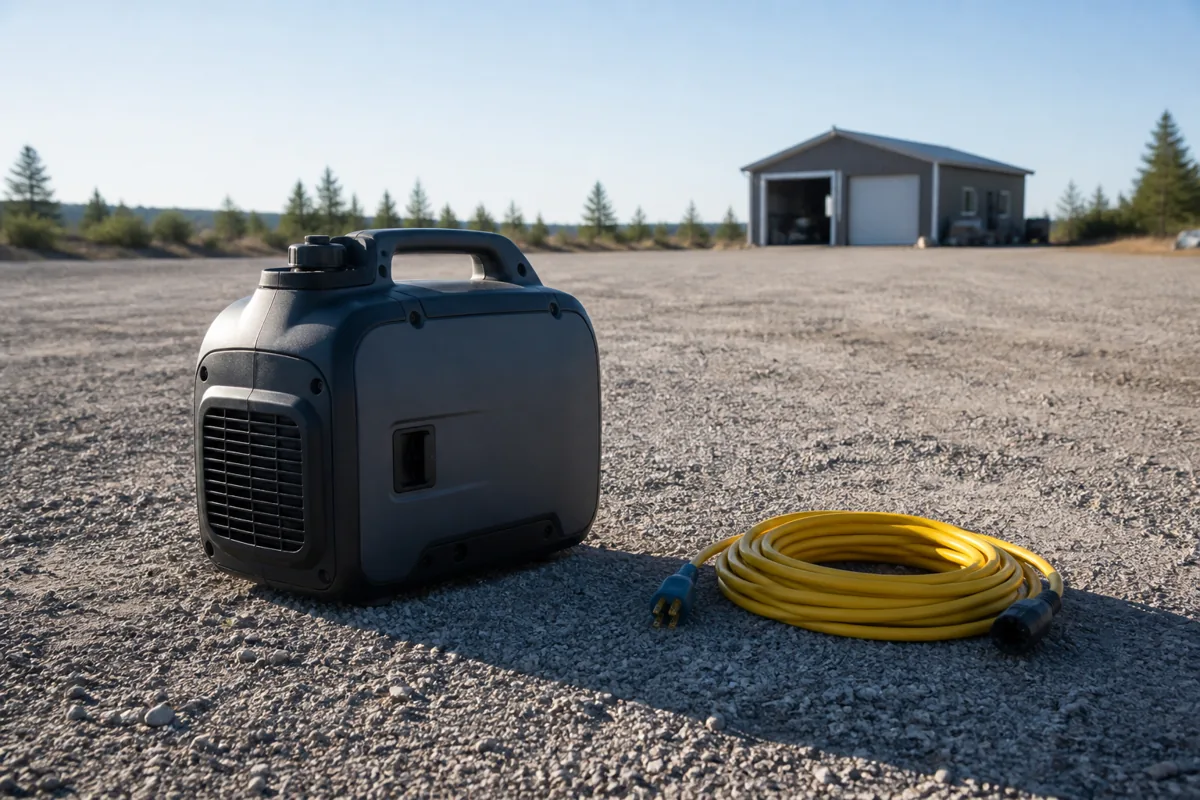
Decibels are logarithmic, so small-looking gaps are not small. Roughly 3 dB doubles the sound energy and about 10 dB reads as twice as loud to the ear. That math also works in your favor: in open air, doubling your distance from the machine sheds about 6 dB, so 50 feet of 12-gauge cord buys more peace than most spec sheet differences.
- ✔ Engine idles down at light load, cutting both noise and fuel burn
- ✔ Clean power, typically under 3% THD, safe for laptops and CPAP machines
- ✔ Enclosed cases are compact, quieter, and easier to stow
- ✘ Costs noticeably more per watt than an open-frame unit
- ✘ Enclosures trap heat and make oil and filter service fiddly
- ✘ Options thin out above the mid-wattage range
Read the dBA Rating Like a Spec Sheet
The criterion is disclosure of distance and load. Most brands quote 23 feet (7 meters), some use 25 feet, and campground rules are written at 50 feet. The headline figure is usually taken at quarter load, the engine’s quietest moment. If a listing gives one bare number with no distance attached, treat it as marketing copy.
Two published limits give you real targets. The National Park Service and most private campgrounds use 60 dBA at 50 feet, with quiet hours commonly 10 p.m. to 6 a.m. For your hearing, NIOSH recommends staying under 85 dBA averaged over eight hours and the OSHA permissible limit is 90 dBA, which is why an open-frame unit at your elbow all day warrants ear protection.
Compact 2,000-Watt Class Inverter
The sweet spot for camping, tailgating, and keeping a fridge or CPAP alive in an outage. Expect low-50s dBA at quarter load and a carry weight under 50 pounds. Confirm it has a parallel port, since two small units side by side stay quieter than one larger engine.
Size by Starting Watts, Then Shop Decibels
The deciding number is the surge draw of your largest motor. Lights and heaters pull what the label says. Motors and compressors pull two to three times their running watts for a moment at startup. A 13,500 BTU RV air conditioner generally wants somewhere around 2,800 to 3,000 starting watts, and a well or sump pump is often the biggest spike in a house. Total your running loads first, then confirm the surge rating covers your worst single startup.
Read two more lines closely. Runtime is normally published at 25 percent load, so heavier use cuts it well short of the box claim. And propane output on a dual fuel model typically runs about 10 percent below gasoline, so size off the propane figure if that is how you plan to run it.
3,500 to 4,500-Watt Dual Fuel Inverter
The practical outage choice: enough surge for an RV air conditioner, or a fridge plus a pump, while staying enclosed and civil. Propane does not go stale, which matters for a machine that sits eleven months a year. Look for a 30-amp outlet if a transfer switch is in your future.
Certifications That Are Not Optional
Buy carbon monoxide shutoff, full stop. The CPSC attributes dozens of CO deaths a year to portable generators. Look for compliance with UL 2201 or the CO provisions of ANSI/PGMA G300, often shown as the PGMA CO Shield mark; those units cut the engine when CO builds up nearby. It does not change the rule: never in a garage, breezeway, or under a deck, even with the door open. Twenty feet from doors, windows, and vents, exhaust pointed away, CO alarms working inside.
Then check EPA and CARB compliance if you are in California, and total harmonic distortion under 3 percent if you will run electronics or a modern furnace board. Feeding house circuits requires a transfer switch or a listed interlock kit installed to NEC Article 702; backfeeding a dryer outlet with a double-male cord is illegal and it kills people. On jobsites, OSHA requires GFCI protection, so buy it built into the receptacles.
Who Each Class Is For
Campers and tailgaters: 1,600 to 2,200 watts, fully enclosed, parallel port for later expansion.
Homeowners riding out an outage: 3,500 to 4,500 watts, dual fuel, 30-amp outlet, CO shutoff.
Trades and remodelers: open frame, 5,000 to 7,500 watts. Louder, but built for all-day load and field service.
Apartments, HOA lots, and overnight quiet: skip the engine and buy watt-hours instead.
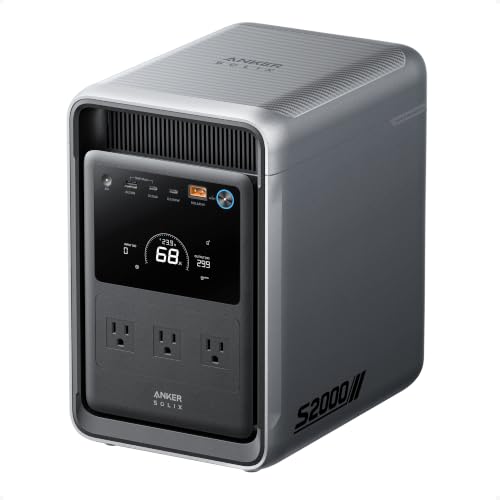
Battery Power Station, 2,000Wh Class
When the constraint is neighbors or rules rather than watts, a lithium unit with a 2,000-watt inverter carries a fridge, modem, and lights overnight with no exhaust. Compare watt-hours, not just watts, and check for solar or car charging if outages run long.
Frequently Asked Questions
How quiet does a generator have to be for a campground? Plan on the 60 dBA at 50 feet standard used by the National Park Service and most private parks, which in practice means an enclosed inverter rated in the 48 to 60 dBA range at 23 feet. Expect quiet hours when nothing runs at all, so many campers pair a battery for overnight with a generator for daytime recharging.
Can I run one in the garage with the door open? No. Carbon monoxide pools in enclosed and semi-enclosed spaces faster than an open door clears it, and this is the most common fatal mistake with these machines. Outdoors only, at least 20 feet out, exhaust aimed away from the building.
Are the premium lines worth the money? Established families such as Honda’s EU series and Yamaha’s EF line mostly buy parts availability, dealer service, and quieter enclosures rather than extra watts. For a decade-long insurance purchase, that support network is the argument. For occasional tailgate power, a mid-tier model with CO shutoff is defensible.
Sort the field by numbers you can verify: measurement distance, the load point behind the dBA figure, and CO certification. Everything after that is watts and outlets. Buy one size above your worst startup load, keep it well away from the house with the exhaust pointed out, and it becomes the boring, dependable box in the corner of the shed.
Check prices on Amazon →