What's inside
As an Amazon Associate I earn from qualifying purchases. This post may contain affiliate links at no extra cost to you.
Damp jobsites expose hand planes to problems that are easy to underestimate. A metal plane may develop surface rust overnight, while a wooden plane can swell, lose its flat sole, or become tight around its wedge. Neither material is automatically better in every wet environment. The right choice depends on how long the tool will be exposed, whether you can dry it between uses, and how much tuning you are prepared to do.
As an Amazon Associate we earn from qualifying purchases at no extra cost to you.



Sections
Our Top Picks
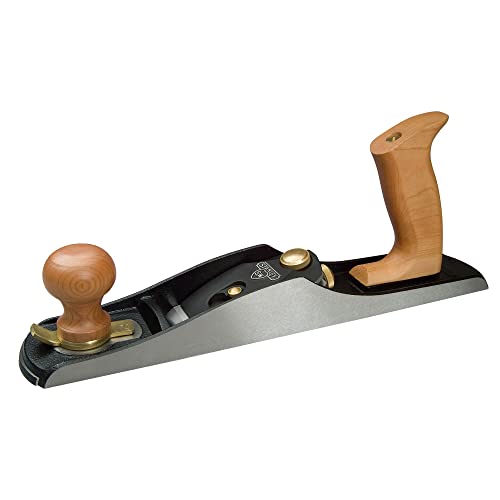
 Stanley 1-12-004 Smooth Plane Bailey No. 4Smooth Plane 2 Inch9.88 x 5.67 x 2.68 inches4.2 poundsCheck on Amazon

What damp conditions do to hand planes
Humidity affects the plane in three main ways: corrosion, dimensional change, and reduced cutting performance. Bare steel can show orange staining in less than 24 hours when left in a damp van or on a wet bench. Rust on the sole increases friction and can mark light-colored timber. Rust at the mouth or around the blade bedding changes how securely the iron sits.
Wood reacts more slowly, but its movement can be more disruptive. A wooden sole may swell across its width, and a wooden wedge can become too tight to release without striking it hard. If one side of the plane absorbs more moisture than the other, the sole may cup slightly. A 0.5 mm hollow or crown over the sole is enough to make accurate jointing frustrating.
Dampness also affects the workpiece. Wet or recently stored timber can feel soft and cut cleanly at first, then tear out as fibers compress under the plane. Before tuning the tool, check the wood. A moisture meter reading around 8% to 12% is typical for many interior projects, while exterior or unheated work may reasonably be higher.
Metal planes: stable geometry, exposed steel
A metal-bodied plane is usually the easier choice for repeated work in changing conditions. Its sole and sides do not swell, and the frog, lever cap, and adjustment mechanism retain their relationship to the blade. That stability matters when you need a consistent mouth opening or are flattening an edge over several hours.
The weakness is corrosion. The most vulnerable areas are the sole, blade, cap iron, screws, and adjustment threads. A plane that is merely damp is not ruined, but leaving water trapped under shavings or in a tool bag is a reliable way to find rust the next morning. Fine surface rust can often be removed; pitting on the blade’s back or at the sole is a more serious, permanent defect.
For general site work, a corrosion-resistant metal hand plane is a sensible category to consider. Look for a mechanism with little exposed bare steel, a replaceable blade, and a sole that is flat enough for the work rather than paying for decorative finishes. Stainless or coated parts help, but they do not eliminate rust where the blade is sharpened or where fasteners are scratched.
Wooden planes: forgiving surfaces, moving parts
A wooden plane does not rust across its body, which is a real advantage on a wet site. Minor surface oxidation on the iron is still possible, but the tool has fewer steel surfaces to protect. A wooden sole can also feel smoother on timber than a rough, oxidized metal sole.
However, wood movement is harder to correct in the middle of a job. If the body swells, the mouth can close slightly and clog with shavings. If the wedge swells, blade adjustment becomes unpredictable. A wooden plane should not be stored directly on a wet bench, concrete floor, or damp vehicle floor. Keep it on a dry board or in a ventilated box, and do not put it away while the sole is visibly wet.
Wooden planes make sense when you already know how to adjust them, can let them acclimate, and want a lighter tool for long sessions. They are also often the cheaper option when buying a basic jack or smoothing plane. That saving is worthwhile if the work is rough framing, fitting doors, or trimming construction timber rather than producing furniture-grade surfaces.
Direct comparison for damp jobsites
| Factor | Metal plane | Wooden plane |
|---|---|---|
| Humidity stability | Very good; body dimensions remain consistent | Variable; sole and wedge can swell or move |
| Rust risk | High unless steel is dried and protected | Mostly limited to blade and hardware |
| Adjustment in the field | Usually quicker and more repeatable | Can require wedge taps and sole inspection |
| Weight and handling | Heavier, which helps when flattening hard stock | Lighter and less tiring for extended use |
| Repairability | Replace parts, remove rust, or lap the sole | Reshape the sole, but severe movement may be difficult to correct |
| Best value | Changing weather and precision fitting | Protected storage and rougher carpentry |
Keeping a metal plane working
At the end of a damp shift, brush off shavings and wipe the plane completely dry. Pay attention to the mouth, blade back, and adjustment screw. A thin film of camellia oil, paste wax, or a dedicated rust preventive is enough for normal storage. Do not soak the plane in oil: excess lubricant attracts dust and can transfer to timber.
For a camellia oil for woodworking tools or similar light protectant, apply it to a rag rather than spraying directly into the mechanism. If the plane will sit in an unheated van, use a vapor corrosion inhibitor bag or wrap it in a dry cloth, but avoid sealing a wet tool inside plastic. Condensation trapped against steel is worse than ordinary humid air.
Keeping a wooden plane working
Wipe the body dry, then store the plane on its side or on two small supports so air can reach the sole. Loosen the wedge slightly before storage if the plane has become damp; this reduces the chance of the wedge locking itself in place as it swells. Do not deliberately oil the wooden sole. Oil can soften some finishes, stain timber, and make later flattening unpleasant.
When bringing a wooden plane from a cold van into a warm shop, allow at least 30 minutes for condensation to evaporate before adjusting it. Check the sole against a straightedge. If it has developed a slight hollow, mark the high spots with pencil and correct it gradually with a flat abrasive surface. Removing too much wood can enlarge the mouth and permanently reduce the plane’s usefulness.
Blade care matters more than body material
In damp conditions, carry a spare sharpened iron rather than waiting until the working blade is badly corroded or dull. A sharpening setup using diamond sharpening stones for woodworking tolerates field use better than waterstones, which require drying and can freeze in an unheated vehicle. Keep stones, honing guides, and marking tools in a separate dry pouch.
Use a tool bag with a waterproof base, but do not rely on a sealed bag to dry tools. At lunch or the end of the day, open the bag and let air circulate. For either plane, the cheapest effective upgrade is often a small dry box, a rag, and a consistent wipe-down routine.
Which one should you buy?
Choose a metal plane if the job moves between heated interiors, wet extensions, and an unheated van; if repeatable adjustment matters; or if you will be jointing edges where a moving sole wastes time. Choose a wooden plane when the price matters, the work is rough or temporary, and you can store the tool somewhere dry. A basic wooden carpentry plane is not a poor choice simply because the site is damp.
Whichever body you choose, inspect it daily. If the blade has orange staining, remove it before use; if the sole feels gritty, clean it; and if the plane changes adjustment overnight, check for moisture-related movement before trying to force the mechanism. Those habits prevent most damp-site failures and cost far less than replacing a neglected plane.