What's inside
As an Amazon Associate I earn from qualifying purchases. This post may contain affiliate links at no extra cost to you.
For outdoor carpentry, a plane’s sole affects more than how smoothly it cuts. It changes how the tool handles wet timber, abrasive grit, glue squeeze-out, knots, and rough work on a building site. Metal-soled planes are the safer general-purpose choice for most carpenters, but a wooden-soled plane can still be the better tool for fast stock removal and work where low weight matters.
As an Amazon Associate we earn from qualifying purchases at no extra cost to you.


Sections
Our Top Picks
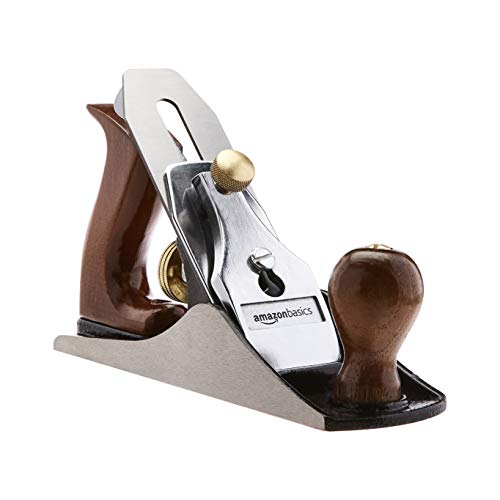 Amazon Basics No.4 Adjustable Precision Smoothing Bench Hand(Pack of 1)10 x 5.5 x 2.6 inches3.82 poundsCheck on Amazon


The basic difference
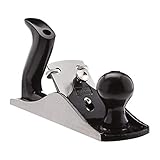
A metal-soled plane typically has a cast iron or ductile iron body with a machined sole. The sole is hard, stable, and relatively resistant to dents. Common examples include bevel-down bench planes and low-angle block planes.
A wooden-soled plane has a sole made from hardwood, often beech, hornbeam, or lignum vitae on older tools. The body may also be wooden. It is lighter and usually has less friction against the work, but the sole is affected by moisture and wear. Traditional wooden jack, fore, and jointer planes are designed around this construction.
The difference is most noticeable outdoors because timber is rarely clean and dry. Framing lumber may carry sand, dried mud, roofing grit, or tiny pieces of metal. One embedded stone can score a wooden sole in a few seconds. A metal sole may show a scratch, but it normally remains usable after removing the offending debris.
How the two soles compare outdoors
| Factor | Metal sole | Wooden sole |
|---|---|---|
| Weight | Heavier and more tiring during prolonged roughing | Light and quick to move over large boards |
| Wet conditions | Can rust, but dimensions remain fairly stable | Can swell, shrink, or distort if stored damp |
| Dirty or abrasive timber | More tolerant of grit and occasional knocks | Scratches and wears faster |
| Friction | Higher, especially if the sole is dry or scratched | Usually very low, particularly on resinous timber |
| Adjustability | Usually easier and more precise | Often depends on a wooden wedge and tapping adjustments |
| Maintenance | Sharpening plus rust prevention | Sharpening plus sole flattening and moisture control |
| Best use | General outdoor work, joinery, trimming, and mixed materials | Fast stock removal and traditional large-plane work |
Why metal is usually the practical choice
Metal planes tolerate the unpredictable nature of site work. If you need to trim a sticking door, fit a post, chamfer a beam, or clean up a rough edge, a metal-bodied plane can handle several jobs without requiring a different adjustment method. A block plane is especially useful for end grain, small fitting work, and removing sharp corners from outdoor furniture or decking components. A low-angle block plane is a sensible first purchase for this type of work.
Metal also gives you a more predictable reference surface. A well-machined sole should remain flat through normal temperature changes. That matters when shooting an edge or fitting a door: a sole that changes shape by even a fraction of a millimeter can turn a straight edge into a slight hollow or crown.
The disadvantages are real. A No. 5-sized metal jack plane commonly weighs around 1.8 to 2.3 kilograms, while a comparable wooden plane may be closer to 1.0 to 1.5 kilograms. That difference becomes tiring when flattening multiple long boards. Metal also needs protection at the end of every wet day. Wipe it dry and apply a thin rust-preventive oil or wax; otherwise orange rust can appear overnight on the sole and cap iron.
Where wooden soles make sense
Wooden planes are excellent for quickly removing material from broad surfaces. Their low mass and naturally slick sole make long passes feel easy, particularly on softwood framing stock. A traditional wooden jack plane with a cambered iron can remove a substantial shaving without the drag that some metal planes develop when their soles are dirty or poorly waxed.
They are also quiet, comfortable, and easy to carry in a tool chest. For a carpenter who already owns a reliable jointer or smoother, a wooden fore plane can be a productive specialist tool rather than a replacement for everything else.
The trade-off is that the sole is a consumable surface. A deep scratch may need to be planed out, and repeated flattening reduces the thickness of the sole. If the plane is left in a damp shed, the wood can swell across its width and tighten the mouth. In dry weather it may shrink, loosen the wedge, or develop a slight hollow. These changes do not always make the plane useless, but they demand more attention than most modern site users want to give.
Choose according to the job
For general outdoor carpentry, start with a metal block plane and a medium bench plane. A metal No. 5 bench plane covers edge correction, board flattening, and moderate stock removal. Add a longer jointer plane only if you regularly prepare long edges by hand.
If the work is mainly rough construction timber and you often flatten large surfaces, consider a wooden jack or fore plane. The cheaper option is fine when the timber is clean, the plane can be stored indoors, and you are willing to flatten the sole occasionally. A used wooden plane with a sound body and usable iron can outperform a poorly made new plane, but check for cracks around the mouth and a twisted sole before buying.
For wet framing sites, avoid treating either type as indestructible. Do not plane across mud, concrete dust, or nail fragments. Brush the board first, set the plane down on its side rather than on the sole, and carry a screwdriver or nail punch so hidden fasteners can be dealt with safely. For a metal plane, a small rust-preventive tool wax is useful. For a wooden plane, keep the sole lightly waxed but never store it sealed in a damp toolbox.
What to inspect before buying
On a metal plane, check that the sole sits flat, the blade adjusts without excessive backlash, and the mouth closes evenly around the iron. Minor staining is acceptable; pitting on the sole or a cracked casting is not.
On a wooden plane, sight along the sole and check it against a straightedge. A hollow of about 0.5 millimeters may be manageable for a roughing plane, but a badly twisted sole will make consistent work frustrating. Confirm that the wedge holds the iron firmly, the mouth is not split, and the iron has enough thickness left for sharpening.
In short, metal is the dependable site choice, while wood rewards a carpenter who values light weight and fast roughing and can control storage conditions. Buy the metal plane first unless you have a specific reason not to; choose wood when its lower friction, lighter body, and traditional working feel solve a real problem rather than simply adding another tool.