What's inside
As an Amazon Associate I earn from qualifying purchases. This post may contain affiliate links at no extra cost to you.
Sections
Our Top Picks
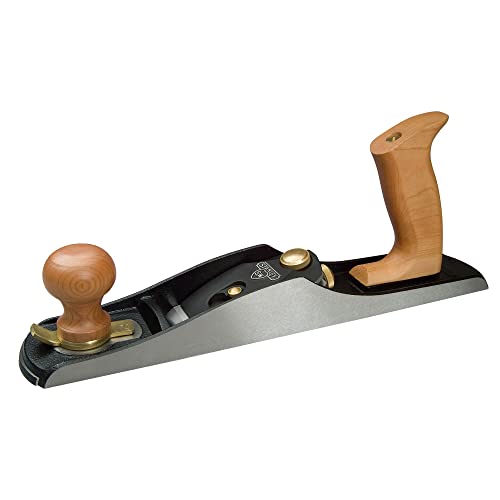
 Stanley 1-12-004 Smooth Plane Bailey No. 4Smooth Plane 2 Inch9.88 x 5.67 x 2.68 inches4.2 poundsCheck on Amazon


The choice on site
A metal-body plane is usually the practical first choice for site carpentry: it is quick to adjust, stays stable in changing conditions and takes knocks without much fuss. A wooden-body plane is lighter in the hand, quieter against timber and often easier to push for long periods. Its main drawback is that moisture and rough handling can shift the sole or damage the body.
Neither body material guarantees a good cut. A sharp iron, a flat sole and a mouth opening suited to the work matter more. For fitting doors, easing framing timber and general site adjustments, one well-set-up metal bench plane covers a lot. Choose wood when low weight, a smooth feel or traditional work matters enough to accept more care.
As an Amazon Associate we earn from qualifying purchases at no extra cost to you.



What changes in use
Metal planes use a rigid casting with a separate iron and cap iron. A lever cap or screw holds the iron; depth and lateral-adjustment controls make small corrections fast. If the cut starts skewing or gets too heavy, you can usually correct it without taking the plane apart. That is useful when moving between softwood, hardwood and paint- or glue-marked stock.
Wooden planes often have fewer adjustment parts. Many are set by tapping the iron or wedge with a small hammer, which is simple once familiar but less convenient when you need a precise change. A wooden body can feel less tiring over a long run, but it can also wear at the mouth or get bruised at the toe and heel. On a wet site, an exposed wooden sole may swell; when it dries, it can shrink or become uneven.
Metal and wooden planes compared
| Factor | Metal-body | Wooden-body |
|---|---|---|
| Adjustment | Fine controls make depth and alignment changes quick. | Often adjusted by tapping the iron and wedge; takes practice. |
| Site durability | Handles knocks well, though the iron can rust and the casting can be damaged by a hard fall. | Light and repairable, but edges can chip and the body can move with moisture. |
| Weight and feel | More mass helps the plane carry through a cut, but may tire the user. | Usually lighter and quieter; feel varies with body size and wood. |
| Maintenance | Protect the iron from rust; check the sole and adjustment parts. | Keep dry, check the sole for flatness and maintain the wedge and mouth. |
| Best fit | Frequent adjustment and general site work. | Long, steady work or a preference for traditional handling. |
Choose by the work
For trimming a sticking door, fitting a frame or taking down a proud joint, a metal bench plane is the safer all-round purchase. A No. 4-size smoothing plane is manageable for general fitting, while a longer No. 5-size jack plane bridges the gap between rough stock removal and finer work. If you buy only one, choose based on the length of the surfaces you regularly true: the longer sole of a jack plane helps span dips, but it is less handy in tight areas.
For a door edge, take light passes and check the fit frequently. A heavy cut can tear out veneer, split the end of the door or leave a hollow edge that is difficult to correct. Near an end, reduce the cut and work from each end toward the middle, or support the far edge to limit breakout. A sharp iron matters more than whether the body is metal or wood.
For a rough, damp framing site, a wooden plane is not automatically unsuitable, but it needs a dry place between cuts. Leaving it overnight on a wet floor or in an open truck can change how it runs. A metal plane is less vulnerable to that movement, though its iron can rust quickly when stored damp. Wipe the iron, use a light rust-preventive oil where appropriate, and keep the tool in a case or dry bag.
Buying and setup
Inspect a used plane before paying. Check that the sole is not visibly twisted, the iron has enough length left to sharpen, and the adjustment mechanism moves without binding. A slightly dull iron is normal; a cracked casting, badly damaged mouth or seized adjuster can turn a bargain into a repair project. With a wooden plane, check that the sole is not cupped or twisted and that the wedge holds the iron securely.
For a first general-purpose plane, compare a metal-body bench hand plane with a wooden-body bench hand plane. A wooden plane can be the cheaper, perfectly serviceable option if it is sound and you are comfortable setting it by tapping. Paying extra for a metal plane makes most sense when you expect to change settings often, share the tool or use it in variable site conditions.
Before judging a plane, sharpen and set it. A common bevel angle is around 25 degrees, though the correct grind depends on the iron and plane design. Set the iron for a fine, even shaving, then check that it projects evenly across the mouth. If one side cuts more, correct the alignment before trying to compensate with hand pressure. A sole that catches or leaves uneven tracks may need cleaning and inspection; do not assume a new plane is perfectly tuned.
Common mistakes that spoil the cut
The usual failure is forcing a dull iron. It takes more effort, crushes fibres and encourages tear-out, especially in reversing grain. Another is opening the mouth too wide for fine work: a large opening gives chips room to lift ahead of the iron. A narrow mouth helps with thin shavings, but can clog with thick cuts, so clear packed chips rather than pushing harder.
Do not use a bench plane to remove a large amount of material from a badly bowed board in one pass. Mark high spots, use a suitable roughing method, and check with a straightedge. On site, also avoid setting a plane down on concrete with the iron projecting; a chipped edge means sharpening before the next job. A basic hand-plane storage case is worthwhile if the tool travels loose with chisels and other kit.
A sensible first purchase
Buy a metal-body bench plane if you need one dependable plane for varied site jobs and quick adjustment. Choose a wooden-body plane if you value its light feel, can store it dry and do not mind learning a more hands-on setting routine. In either case, spend time on sharpening and setup before spending more on a second plane. A correctly tuned, inexpensive plane will usually beat a costly one with a blunt iron and a poor cut.