What's inside
As an Amazon Associate I earn from qualifying purchases. This post may contain affiliate links at no extra cost to you.
A sticking door usually needs only a small amount of wood removed, but the right hand plane makes that controlled and predictable. The aim is not to “flatten” the whole edge. You want to identify the swollen or tight section, remove a few shavings, and leave the edge straight, clean, and properly sealed.
For most door repairs, a sharp block plane is the best first purchase. A No. 4 smoothing plane is better when a long edge needs correcting, while a low-angle block plane handles end grain and short, difficult sections more cleanly. The best choice depends on how much material must come off, how accessible the door is, and whether you already own a sharpening setup.
As an Amazon Associate we earn from qualifying purchases at no extra cost to you.



Sections
Our Top Picks
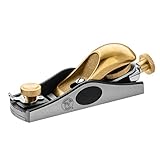
 Rockler Bench Dog No. 60-1/2 Low Angle Block60-1/2 Block Plane6.25 x 1.6 x 6.25 inches0 PoundsCheck on Amazon
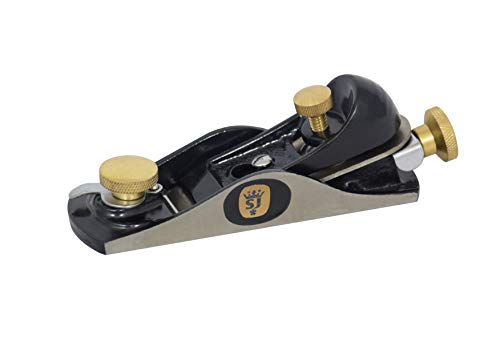 Spear & Jackson CBP95 9 1/2 Carpenters Block9 1/2 In6.89 x 1.77 x 2.76 Inches1.98 poundsCheck on Amazon


The best hand plane types for a sticking door
| Plane type | Best use | Main advantage | Limitation |
|---|---|---|---|
| Standard block plane | Small swollen spots and hinge-side or latch-side adjustments | Compact, easy to control, works in awkward positions | Short sole can follow a hollow edge |
| Low-angle block plane | End grain and doors with difficult, reversing grain | Low cutting angle reduces tearing | Can remove too much if pushed aggressively |
| No. 4 smoothing plane | Long, straight edge corrections | Longer sole produces a straighter result | Heavier and less convenient on a hanging door |
| Jack plane | Major correction on a removed door | Removes material quickly over a longer area | Usually excessive for minor seasonal swelling |
For a typical interior door that catches near the top corner or latch, start with a quality adjustable block plane. It gives enough blade adjustment to take fine finishing shavings or slightly thicker corrective cuts. A low-angle version is especially useful if you expect to plane across end grain at the top or bottom of the door.
Choosing the right plane
Look for a sole that is flat, a blade that can be sharpened properly, and a mouth opening that adjusts or closes tightly. A plane with a poor blade is frustrating even when the casting is sound. The iron should hold an edge and sit firmly without rocking. Check that the adjustment mechanism moves smoothly and that the lever cap clamps the blade securely.
A standard block plane with a cutting angle around 20 degrees is a practical all-rounder. A low-angle block plane commonly uses a blade bevel of about 25 degrees, producing a lower effective cutting angle. That can reduce tear-out in cross-grain areas, but it does not make poor technique harmless. Take lighter cuts and pay attention to the grain direction.
A No. 4-style smoothing plane is the better buy when the door edge has a visible bow over much of its length. Its longer sole bridges small low spots instead of simply copying them. However, using one on a hanging door is tiring and awkward. If the door is off its hinges, a No. 4 smoothing hand plane gives better control over a long edge.
You do not need a premium plane for this job. A cheaper block plane is fine if the sole is reasonably flat, the blade seats without movement, and you are willing to sharpen it. The difference between a budget plane and an expensive one matters less than blade preparation and careful setup for a repair this small.
Find the tight spot before planing
Do not start by removing the door. First, close it slowly and identify exactly where it binds. Look for rubbed paint, a bright wood mark, or a gap that closes unevenly. A strip of thin card can help locate a tight section: slide it around the closed door and note where it stops.
Check the hinges and screws before cutting wood. Loose hinge screws can let the door sag and create a false “swollen door” problem. Tighten the screws, especially the long screws in the top hinge, then test the door again. Also inspect the frame for movement, damaged weatherstripping, or a latch that is misaligned.
Mark the high area with a pencil. Extend the mark at least 75 to 100 mm beyond the visible contact point so the repair blends into the rest of the edge. Remove the minimum amount possible. A door often needs only 0.5 to 1.5 mm removed, and taking off 3 mm can create a noticeable gap after the weather changes.
How to plane the door safely
Remove the door if the correction is more than a few light shavings, or if you need to work across the top or bottom edge. Support it on padded trestles or a workbench. If it stays hung, protect the floor and keep one hand controlling the plane while making short, stable strokes.
Set the blade for a fine cut first. The edge should project only slightly from the sole, roughly 0.1 to 0.3 mm for finishing work. Plane with the grain whenever possible. On a vertical door edge, make short strokes within the marked area, then lengthen the strokes as the high spot disappears. Frequently close the door to check progress.
For end grain, skew the plane across the edge rather than pushing it straight into the fibers. This reduces the effective cut and makes the plane easier to push. A low-angle block plane is useful here, but a sharp standard block plane will also work.
Stop when the door closes without force. Do not plane until the latch side has a large, permanent gap. On an exterior door, leave enough clearance for paint or finish but avoid exposing raw wood beyond the area you can reseal.
Sharpening and finishing details
A dull blade causes chatter, crushed fibers, and tear-out. Sharpen to a consistent bevel, typically around 25 degrees, then hone a small secondary bevel if desired. If the plane leaves ridges or requires excessive force, stop and sharpen rather than increasing pressure.
After the fit is right, lightly ease the sharp corner with a sanding block or two light plane passes. Seal any exposed end grain and bare wood with primer, paint, varnish, or the finish already used on the door. Unsealed wood absorbs moisture and can swell again, undoing the repair.
For a one-off repair, even an inexpensive block plane is enough if it is sharp and adjusted carefully. Buy a better plane when you expect to maintain several doors, need reliable adjustment, or want a tool that will also handle cabinet and general carpentry work.