What's inside
As an Amazon Associate I earn from qualifying purchases. This post may contain affiliate links at no extra cost to you.
A compact pouch for chisels and a small square needs to do two jobs without becoming a miniature tool bag. It should protect sharp edges, keep a square from getting bent or buried, and stay narrow enough for a tool belt or apron. For most carpenters, the useful capacity is four to six chisels, one small combination or try square, a marking knife or pencil, and perhaps a small tape measure.
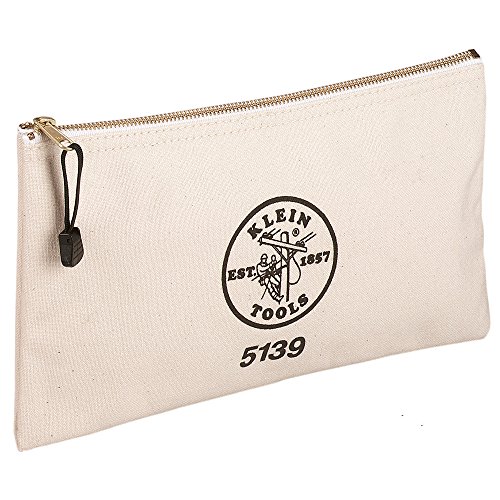
The main choice is between a dedicated chisel roll, a narrow belt pouch, and a general-purpose fastener pouch. Each can work, but they fail in different ways. A roll protects edges well but is slower to open. A belt pouch gives faster access but lets tools knock together. A general pouch is cheap and flexible, though its large compartments allow chisels to slide around.
As an Amazon Associate we earn from qualifying purchases at no extra cost to you.


Sections
Our Top Picks


What to Look For
Start with pocket depth. Chisels with 6- to 10-inch overall lengths need pockets at least 7 inches deep if you want the handles supported. Shallow pockets leave the blades or handles exposed to knocks. Very deep pockets are not automatically better: a 1-inch-wide chisel can disappear into a 10-inch pocket, making it awkward to retrieve while standing on a ladder.
Look for separated slots or a removable divider. Bare steel edges rubbing against other tools will eventually damage bevels, especially when the pouch is dropped into a truck. A pouch with four or five individual sleeves is preferable to one wide cavity. If the slots are fabric, they should be tight enough to stop a chisel from turning sideways but not so tight that you must pull hard on the handle.
For a small square, allow roughly 2 to 3 inches of clear width and at least 6 inches of usable depth. A 6-inch combination square usually fits more easily than a 6-inch try square with a thick stock. Check the square’s head dimensions before buying; some “compact” pouches have pockets that accept the blade but not the stock.
Material matters less than construction. 600-denier polyester is adequate for occasional site work. Heavy canvas is pleasant to handle and often easier to repair, but it absorbs water and can mildew if stored wet. Leather is durable and resists sharp edges, though it costs more and becomes stiff in cold weather. Whatever the material, inspect the bottom of each pocket. A single layer of thin fabric can wear through quickly when chisel tips rest against it.
The Best Pouch Types
| Pouch type | Best for | Typical capacity | Main drawback |
|---|---|---|---|
| Chisel roll | Protecting edges in a tool box or vehicle | 6–10 chisels | Slower access; usually not ideal hanging from a belt |
| Narrow belt pouch | Trim work, fitting, and punch-list jobs | 4–6 chisels plus a square | Less protection when tools share a compartment |
| General utility pouch | Low-cost mixed site kit | 3–5 chisels, square, pencil, tape | Tools move around and can interfere with one another |
A dedicated chisel roll tool pouch is the safest choice if the pouch will spend most of its life in a toolbox. Choose one with individual sleeves, a flap or tie that covers the blade ends, and enough extra length for your largest chisel. Rolls are particularly good for expensive bench chisels because they prevent contact with screws, pliers, and loose hardware.
For active work, a narrow belt pouch is more convenient. A good compact carpenter tool pouch with chisel holders should have a belt loop at least 2 inches wide, reinforced stitching at the top, and a separate sleeve for the square. Keep the pouch on the non-dominant side if you use the chisel constantly; this leaves the dominant hand free and reduces the chance of striking the pouch with a mallet.
A Practical Compact Layout
The most useful layout is four chisel slots, one wider pocket for a square, and a narrow outer sleeve for a pencil or marking knife. Four chisels cover common site work: approximately 1/4 inch, 1/2 inch, 3/4 inch, and 1 inch. Add a 1-1/2-inch chisel only if you regularly fit hinges, clean mortises, or pare wide surfaces.
Do not fill every slot. Five or six chisels plus a square can weigh 3 to 5 pounds, depending on the handles and pouch. That is enough to pull a narrow pouch away from your hip, especially when climbing or leaning over a bench. A compact pouch works best as a working set, not as a replacement for a full tool case.
Keep blade edges facing down only if the pocket bottoms are reinforced and the pouch is designed for it. Otherwise, use blade guards or place the chisels in a roll. A sharp 1-inch edge can cut through light nylon after repeated contact, and a blade that pokes through can damage clothing or a tool belt.
Square and Tool-Belt Fit
Measure the square before ordering. Record the stock width, stock thickness, and overall length. A pocket measuring 2-1/2 by 7 inches internally will accept many small squares, but the opening may be narrower than the pocket body. This is a common failure: the square technically fits below the rim, but its stock catches every time you remove it.
A pouch with a rigid or semi-rigid opening is easier to use one-handed than a soft floppy pouch. The trade-off is bulk. Rigid sides add roughly 1/2 inch to the pouch width and can catch on door jambs or finished work. For interior trim, a slim soft-sided pouch is often the better choice; for framing or rough carpentry, durability and easy access matter more than a few extra ounces.
If you already own a tool belt, a separate small carpenter tool pouch with a square pocket is usually better than adding a large multi-pocket pouch. Position it so the square does not sit directly against your hip bone. A 6-inch square is light, but its metal stock becomes uncomfortable when compressed between your body and a ladder.
When the Cheaper Option Is Fine
A basic utility pouch is perfectly adequate for occasional home repairs, cabinet installation, and short jobs where the tools return to a box at the end of the day. Spend less if you carry only two or three chisels, use plastic blade guards, and do not work in wet or abrasive conditions.
Pay more for reinforced bottoms, stitched belt loops, and separated sleeves if the pouch will be worn daily. The failure signs to watch for are loose stitching at the belt loop, a sagging mouth that collapses around the square, and fabric worn shiny or thin at pocket corners. Once a chisel can touch the pouch’s exterior or another metal tool, the pouch has stopped protecting the set, regardless of how good it looked when new.