What's inside
As an Amazon Associate I earn from qualifying purchases. This post may contain affiliate links at no extra cost to you.
Sections
Our Top Picks
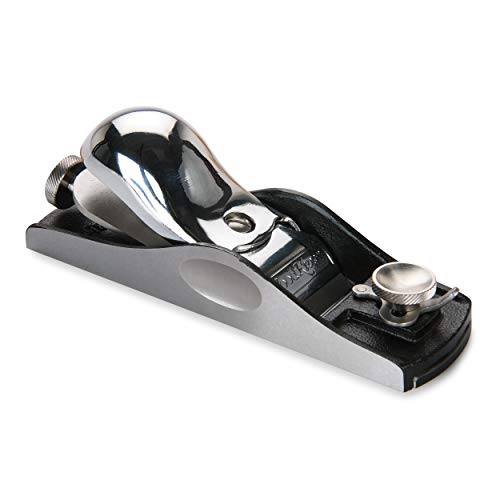
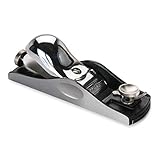
 Rockler Bench Dog No. 60-1/2 Low Angle Block60-1/2 Block Plane6.25 x 1.6 x 6.25 inches0 PoundsCheck on Amazon
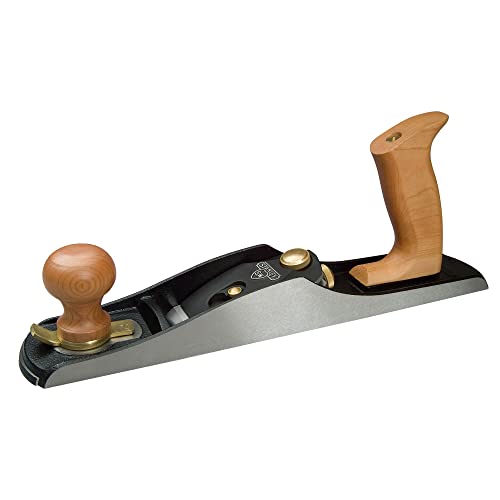
 Woodriver Low Angle Block Plane With Adjustable Mouth7.85 x 3.15 x 2.75 Inches2.04 poundsCheck on Amazon

What the Plane Angle Actually Changes
When a plane cuts end grain, the blade has to sever fibers rather than slice along their length. That is why end grain can feel resistant, produce a rough surface, or tear out in chunks at the far edge of a board.
A low-angle plane usually has a blade bedded at about 12 degrees, with the blade bevel facing up. A common 25-degree bevel produces an effective cutting angle of roughly 37 degrees. A standard-angle bench plane beds the blade at about 45 degrees, with the bevel facing down. With a typical 25-degree bevel, its cutting angle is about 45 degrees.
As an Amazon Associate we earn from qualifying purchases at no extra cost to you.

The lower effective angle of the low-angle plane takes less effort and tends to cut cleanly across end grain. The standard-angle plane is more versatile for general face and edge work, but it requires more force when the grain runs directly into the cut. The difference is noticeable on hardwoods, wide boards, and end-grain cutting boards.
Where a Low-Angle Plane Wins
A low-angle block or bench plane is the easiest choice when end grain is the main problem. Its shallow cutting angle helps the edge enter the fibers rather than crush them. It is particularly useful for trimming board ends, fitting doors, leveling tenons, and shooting miters on a shooting board.
Used with a sharp blade and a fine cut, a low-angle plane can leave end grain ready for finish. It also takes less physical effort. That matters when you are trimming dozens of parts or working on dense timber such as maple, beech, or oak.
The trade-off is that a low-angle plane can be more sensitive to tear-out when used on reversing or figured face grain. Raising the effective angle with a steeper bevel helps, but that reduces its advantage on end grain. A low-angle plane is not automatically the best all-purpose plane; it is best when its geometry matches the work.
For occasional trimming, a low-angle block plane is often enough. For larger surfaces and more controlled shooting, look at a low-angle bench plane rather than the smallest pocket-sized block plane.
When a Standard-Angle Plane Is Fine
A standard-angle bench plane is not a poor end-grain tool. It will handle end grain well if the blade is genuinely sharp, the mouth is set appropriately, and the cut is light. A No. 4 or No. 5-style plane can trim small amounts from board ends without difficulty.
Its main advantage is flexibility. The same plane can flatten faces, straighten edges, remove glue squeeze-out, and do limited end-grain work. If you already own one, buying a low-angle plane may not improve your results as much as sharpening the existing blade and building a proper shooting board.
A standard plane becomes less pleasant when you need to remove a lot of material from end grain. You will push harder, the blade may chatter if the plane is light or poorly adjusted, and a dull edge will tend to burnish or crush the fibers instead of cutting them. For a few test fits, the cheaper option is perfectly reasonable.
| Feature | Low-angle plane | Standard-angle plane |
|---|---|---|
| Typical effective angle | About 37 degrees with a 25-degree bevel | About 45 degrees with a 25-degree bevel |
| End-grain effort | Lower, especially in hardwood | Higher, but manageable with a sharp blade |
| Reversing face grain | More likely to tear out at low bevel angles | Usually more forgiving |
| Best use | End grain, shooting, trimming, fitting | General bench work with occasional end grain |
| Buying advice | Worth it for frequent end-grain work | Better value if it is your only bench plane |
Setup Matters More Than the Label
Sharpness comes first. For end grain, the edge should shave hair cleanly and reflect no visible flat spot under a bright light. A practical sharpening range is 1,000 grit for establishing the edge, followed by 4,000 to 8,000 grit for a refined edge. Hone often rather than waiting until the plane stops cutting.
Set the blade for a shaving around 0.05 to 0.15 mm thick. A heavy cut makes the plane harder to push and increases the chance of lifting fibers at the exit edge. Keep the mouth reasonably tight, especially on a low-angle plane. A gap around 0.5 to 1 mm is a useful starting point for fine end-grain work, though the exact setting depends on the plane.
Use a shooting board whenever accuracy matters. It supports the work, keeps the plane square, and lets you push with both hands. Plane from the outside edge toward the center when possible, then reverse the work or change direction before the blade reaches the far edge. This prevents the unsupported fibers at the exit side from breaking out.
A small chamfer on the board’s exit edges also prevents damage. Removing just 0.5 to 1 mm with a block plane or sanding block is usually enough. If the final edge must remain sharp, clamp a sacrificial piece tightly against the exit end while making the last cuts.
Blade Bevels and Practical Buying Choices
With a bevel-up low-angle plane, changing blade bevels changes the cutting angle. A 25-degree bevel favors easy end-grain cutting. A 38- or bevel close to 40 degrees raises the effective angle and can reduce tear-out on difficult face grain, but it will feel less efficient on end grain.
With a standard bevel-down plane, the back bevel is not normally used to tune the cutting angle. Adding a large back bevel can complicate sharpening and alter the plane’s behavior without offering the same straightforward adjustment as a bevel-up design.
If you need a dedicated end-grain tool, compare a low-angle block plane for small work with a shooting board hand plane setup for long, square edges. A low-angle jack plane can cover both jobs, but it costs more and is less convenient for small trim.
Choose the standard plane if your work is mostly face and edge planing, with end grain limited to occasional fitting. Choose low angle if you regularly build boxes, trim doors, shoot miters, or work hardwood end grain. In either case, a flat sole, a rigid blade, accurate adjustment, and a truly sharp edge will matter more than a modest difference in advertised specifications.