Best Portable Tool Boxes for Small Carpentry Repairs
For small carpentry repairs — tightening a loose hinge, re-cutting a sticking door, patching trim, swapping a lockset — you […]
For small carpentry repairs — tightening a loose hinge, re-cutting a sticking door, patching trim, swapping a lockset — you […]
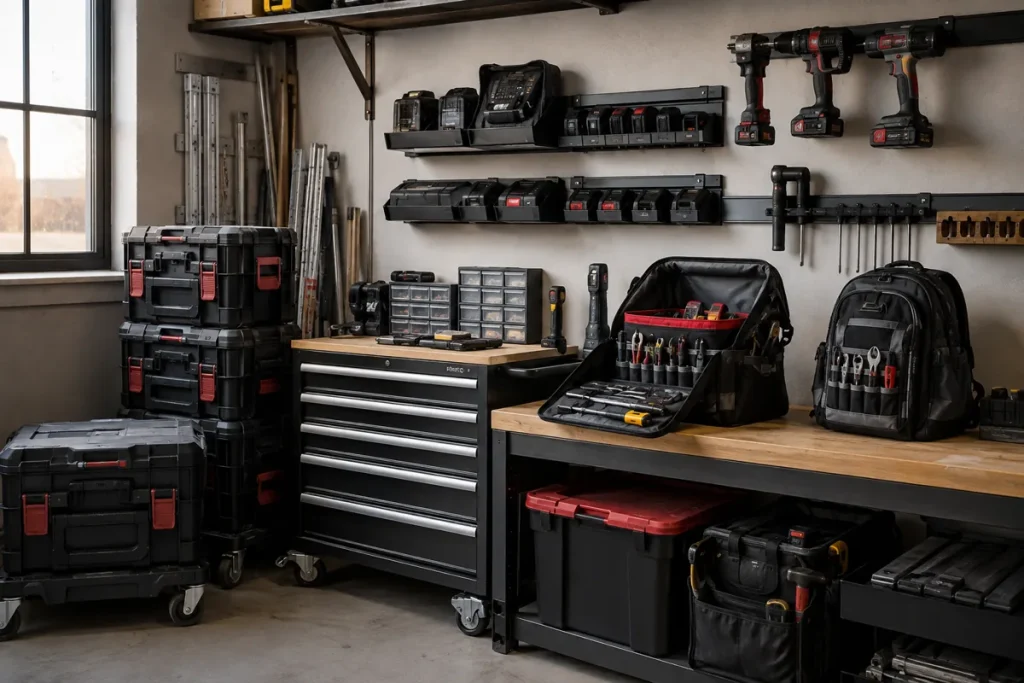
Why chisels and planes need structure, not just storage A canvas duffel or 5-gallon bucket will carry chisels and planes,
What a carpentry bag actually needs to hold A carpenter’s hand tool kit is awkward to bag. Chisels need edge
If you work mostly with hand tools, a closed toolbox is slow. You want to see everything at a glance
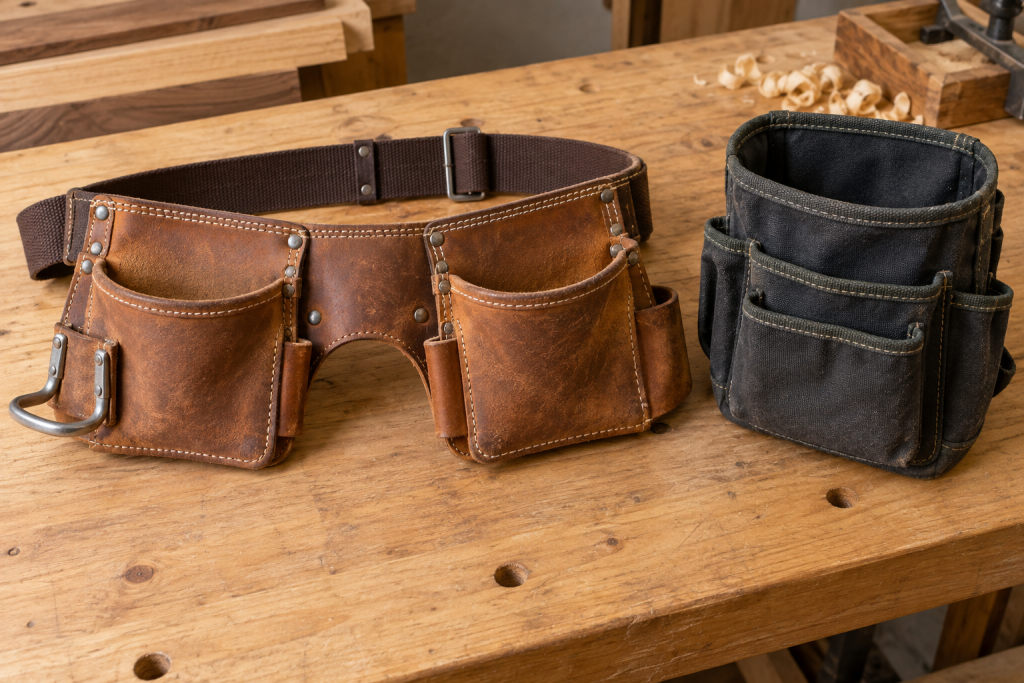
A tool belt that fails on site doesn’t just drop a chisel — it drops a chisel from height onto
Why Timber Framing Belts Are Different A standard carpentry belt set up for trim or light framing will slow you
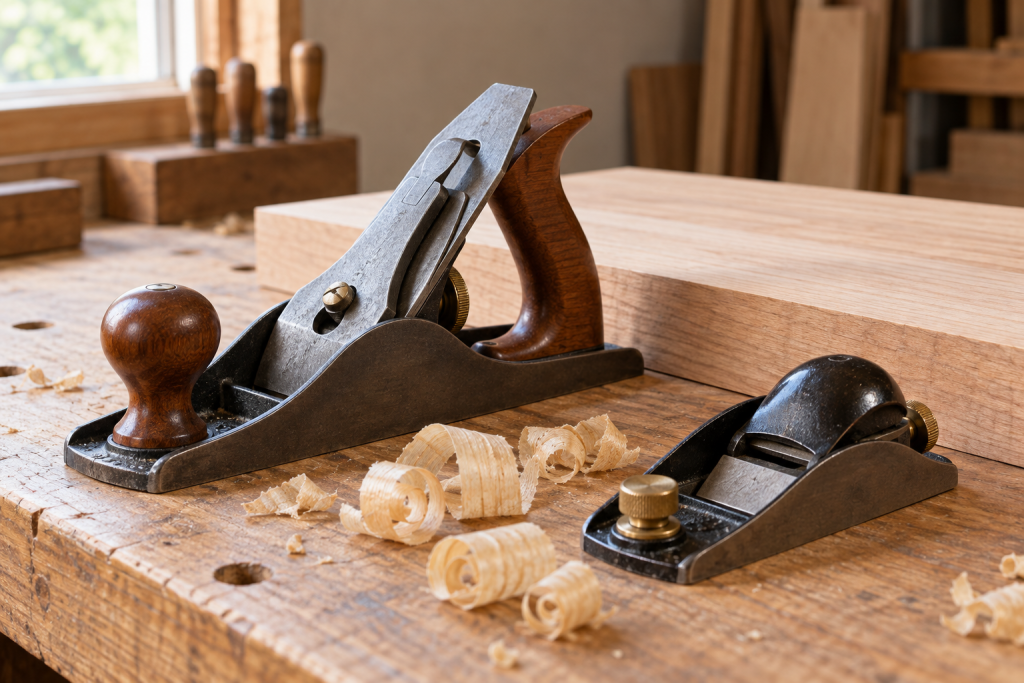
Carrying a hand plane around site is different from moving it around the workshop. In the shop it goes from
Why Weight Slows You Down A fully loaded leather carpenter rig with hammer, tape, square, knife, nail puller, and fasteners
Why Trim Carpentry Needs a Different Belt A framing belt is built to carry weight. A trim belt is built
Most tool belts are laid out for right-handed work by default. Hammer loop on the right, tape on the right,