
What's inside
- At a Glance
- Why Wood Dust Is Serious
- 1. 3M Half Facepiece Reusable Respirator 6502QL
- 2. 3M Aura 9211+ N95 Respirator
- 3. 3M Cool Flow Valve N95 8511
- 4. GVS Elipse P100 Dust Half Mask
- 5. Honeywell North 7700 Half Mask
- 6. Moldex 2200 N95 Disposable Respirator
- How to Choose
- Fit Check and Care
- Common Mistakes
- Matching Protection to the Task
- Frequently Asked Questions
- Conclusion
As an Amazon Associate I earn from qualifying purchases. This post may contain affiliate links at no extra cost to you.
The best respirator for woodworking is a properly fitted half-mask with P100 particulate filters for fine dust, while a well-fitting N95 is a reasonable minimum for light sanding and occasional cutting. Fine wood dust lingers in the air and travels deep into the lungs, and some species can cause sensitization over time. Here are six options, with notes based on specifications and reviewer feedback.
Sections
- At a Glance
- Why Wood Dust Is Serious
- 1. 3M Half Facepiece Reusable Respirator 6502QL
- 2. 3M Aura 9211+ N95 Respirator
- 3. 3M Cool Flow Valve N95 8511
- 4. GVS Elipse P100 Dust Half Mask
- 5. Honeywell North 7700 Half Mask
- 6. Moldex 2200 N95 Disposable Respirator
- How to Choose
- Fit Check and Care
- Common Mistakes
- Matching Protection to the Task
- Frequently Asked Questions
- Conclusion
At a Glance
| Pick | Best for | Key feature |
|---|---|---|
| 3M Half Facepiece Reusable Respirator 6502QL | Regular shop use | Low-profile silicone-style facepiece, quick-latch |
| 3M Aura 9211+ N95 Respirator | Occasional sanding and cutting | Flat-fold design with a cool-flow valve |
| 3M Cool Flow Valve N95 8511 | Hot garages and long sessions | Exhalation valve reduces heat |
| GVS Elipse P100 Dust Half Mask | Low-profile fine dust protection | Compact design with built-in P100 filters |
| Honeywell North 7700 Half Mask | Comfort with a soft silicone seal | Replaceable cartridges |
| Moldex 2200 N95 Disposable Respirator | Budget backup masks | Folded design with adjustable straps |
Why Wood Dust Is Serious
Large chips are a nuisance, but the real hazard is fine dust created by sanding, routing and cutting engineered boards such as MDF. These particles stay airborne and can reach deep into the respiratory system. Some woods, such as exotics and certain hardwoods, can trigger allergies or asthma, and repeated exposure can make people more sensitive. A dust collector and air filter help, but personal protection is still necessary. A simple paper dust mask is not enough, because it may not seal and does not carry a certification for filtering fine particles.
1. 3M Half Facepiece Reusable Respirator 6502QL
This reusable half-mask is a staple for shop work. It uses replaceable filters, so you can choose particulate filters for dust or add organic vapor cartridges for finishing. The quick-latch design lets you lower it around your neck between tasks. Fit is crucial: facial hair and unusual face shapes can break the seal. Wash the facepiece regularly and replace filters on schedule. A top pick if you work with dust frequently.
3M 6502QL Half Facepiece Reusable Respirator
2. 3M Aura 9211+ N95 Respirator
The Aura is a flat-fold N95 that sits comfortably and packs flat in a pocket. It has a cool-flow valve and a design that many users find easier to breathe through. It is disposable and not made for long-term heavy use or organic vapors. If you do small projects or want a spare mask, it is a convenient option. Check that the nose clip seals properly.
3. 3M Cool Flow Valve N95 8511
This molded N95 features an exhalation valve that releases warm moist air, which helps in hot, humid garages. It is comfortable for longer sessions compared with masks without valves. The molded cup shape can leak if it does not suit your face, and you should replace it when breathing becomes hard or the mask is damaged. A practical choice for sanding and general dust.
4. GVS Elipse P100 Dust Half Mask
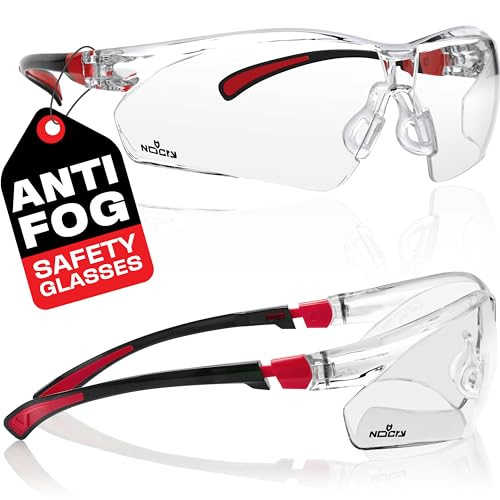
The Elipse has a low-profile design with P100 filters built into the facepiece, so it provides high filtration without protruding cartridges. This makes it easier to wear with safety glasses and a face shield. Reviewers like the comfort, though filters are specific to the model and may be less common than standard cartridges. A good choice if you want strong protection with a compact profile.
GVS Elipse P100 Dust Half Mask
5. Honeywell North 7700 Half Mask
North’s 7700 series uses a soft silicone facepiece that many users find comfortable for long wear. It is paired with replaceable cartridges, so you can choose particulate filters or add vapor protection for finishes. It is easy to clean and durable, though the cost is higher than disposable masks. Fit testing and proper cartridge choice are important.
Honeywell North 7700 Half Mask Respirator
6. Moldex 2200 N95 Disposable Respirator
A simple, folded N95 with adjustable straps and a decent seal for many faces. It is inexpensive and light, so it makes a handy backup or guest mask for helpers. It is not intended for heavy long-term use, and it should be discarded when damaged or hard to breathe through. Keep a few in the shop for quick jobs.
Moldex 2200 N95 Disposable Respirator
How to Choose
- Filtration: P100 offers higher filtration than N95; use it for fine dust and sensitizing woods.
- Fit: a seal matters more than any rating. Try sizes and perform a seal check.
- Comfort: exhalation valves and soft silicone make long sessions easier.
- Compatibility: check how the mask sits with glasses, goggles and hearing protection.
- Replaceability: reusable masks need spare filters; stock up.
Fit Check and Care
Place the mask over your nose and chin, tighten the straps, and press the nose clip for a snug fit. For a basic seal check, cover the filter area and inhale gently; the mask should pull slightly toward your face. Facial hair under the seal reduces protection significantly. Store reusable respirators in a clean bag, and change filters when breathing resistance rises or they are damaged. Wash the facepiece with mild soap as directed by the maker.
Common Mistakes
Using a cloth or paper mask for fine dust is the biggest error, followed by choosing a mask that does not seal. Others forget to replace filters or leave them exposed in a dusty shop. People also wear a respirator while the dust collector is off and then remove it immediately after cutting, while dust is still in the air. Keep it on for a few minutes after the machines stop, and use air filtration to clear the room.
Matching Protection to the Task
Not every job calls for the same level of protection. A few minutes of hand sanding on softwood may be fine with a well-fitting N95, while hours of random-orbit sanding, routing MDF or turning exotic hardwoods call for a half-mask with P100 filters. Finishing is a different hazard: spray lacquers and solvent-based finishes need organic vapor cartridges, and a dust mask offers no protection against fumes. If you plan to do both, a reusable half-mask that accepts several cartridge types is the efficient way to cover them.
Ventilation and dust control reduce how hard the respirator has to work. Connect tools to a dust collector or shop vacuum, open a door with a fan pushing air out, and run an air filter during and after sanding. These measures do not replace a respirator, but together they lower exposure significantly. If you ever notice a cough, wheeze, itchy eyes or skin reaction after working with a particular wood, treat it as a signal to upgrade your protection and talk to a doctor.
Frequently Asked Questions
Is N95 enough for woodworking?
It can be for light work. For heavy sanding or sensitizing woods, a P100 half-mask offers more protection.
Do I need a respirator if I have a dust collector?
Often yes. Collectors capture much dust, but fine particles can still escape.
How often should I change filters?
When breathing gets harder, when damaged, or according to the manufacturer’s guidance.
Can I wear a respirator with a beard?
It can break the seal. Choose designs and grooming that allow a proper fit.
Conclusion
Fine wood dust is a long-term hazard, so match your respirator to the work: N95 for light tasks, half-mask with P100 for regular or heavy dust. Prioritize fit and comfort, replace filters, and combine with dust collection. It is among the cheapest, most valuable upgrades to a shop.
As an Amazon Associate we earn from qualifying purchases.
Related guides
More from Amazon
Programs that pair well with the guide above. Offers and eligibility are set by Amazon and may change.
A free business account with business pricing and bulk-buying tools for work, shop or home office.
Create a business accountFree shipping on eligible items, Prime Video and more. Eligible new members can start with a free trial.
Start a Prime free trialAudiobooks and podcasts to listen to on the go. Eligible new members can start with a free trial.
Try Audible freeAd-free music streaming. Eligible new subscribers can start with a free trial.
Try Music Unlimited freeAs an Amazon Associate we earn from qualifying purchases.


Write Your Review
No reviews yet. Be the first to share your experience!