
Our Short List of 3
All 5 Picks at a Glance
| Product | Specs | Action |
|---|---|---|
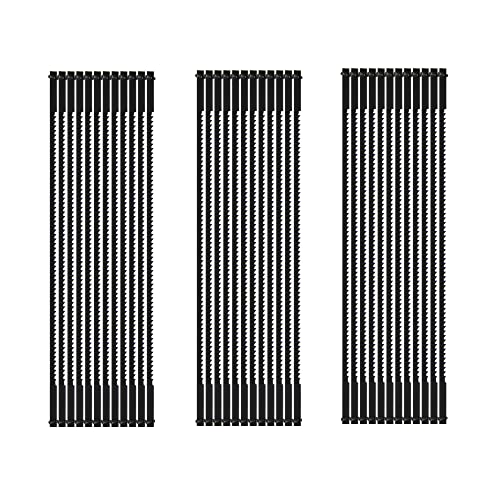 FOXBC 5 Inch Pin End Scroll Saw Blades, 36 Pack | Check price on Amazon | |
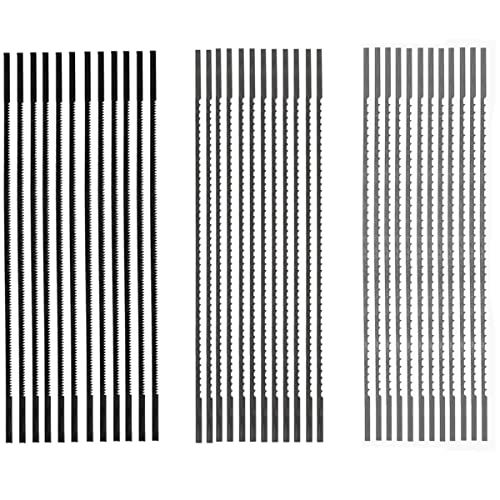 FOXBC 5 Inch Plain End Scroll Saw Blade Set, 36 Pack | Check price on Amazon | |
 FOXBC Spiral Scroll Saw Blades, Plain End #2 | Check price on Amazon | |
 Olson FR49202 Reverse Tooth Scroll Saw Blades Assortment | Check price on Amazon | |
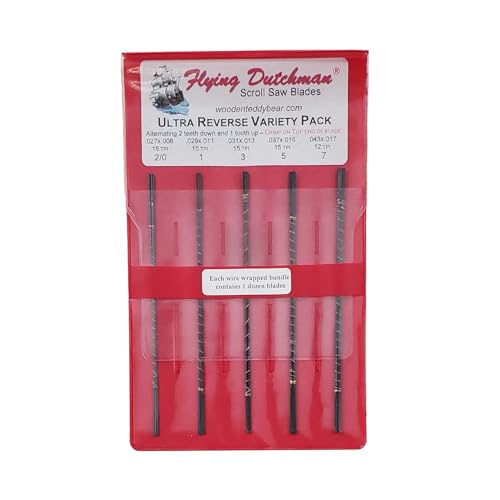 Flying Dutchman Ultra Reverse Pinless Variety Pack, Five Dozen | Check price on Amazon |
Our Top Picks
What's inside
- Quick answer
- FOXBC 5 Inch Pin End Scroll Saw Blades, 36 Pack
- FOXBC 5 Inch Plain End Scroll Saw Blade Set, 36 Pack
- FOXBC Spiral Scroll Saw Blades, Plain End #2
- Olson FR49202 Reverse Tooth Scroll Saw Blades Assortment
- Flying Dutchman Ultra Reverse Pinless Variety Pack, Five Dozen
- How to choose
- Who should skip
- Frequently Asked Questions
- Final verdict
- Product and ASIN Reference
As an Amazon Associate I earn from qualifying purchases. This post may contain affiliate links at no extra cost to you.
Fine fretwork lives or dies on blade choice. A blade that is too coarse tears thin veneer and blows out the underside of plywood, while a blade that is too fine wanders, heats up, and snaps when the pattern turns sharply. The right pick depends on three things your saw and your project decide for you: the end type the blade holders accept, the tooth count that suits the thickness of the material, and the tooth pattern that matches the shape of the cut.
This guide compares five blade packs across the classes most scrollers actually buy: a pin-end multi-pack, plain-end blades for fine fretwork, spiral blades, reverse-tooth blades, and an assorted variety pack. Every specification below comes from the product listing for that pack, including blade length, teeth per inch, blade size, and pack count. If your saw takes only one end type, that single fact narrows the field before tooth patterns even enter the discussion.
As an Amazon Associate, we earn from qualifying purchases.
Sections
- Quick answer
- FOXBC 5 Inch Pin End Scroll Saw Blades, 36 Pack
- FOXBC 5 Inch Plain End Scroll Saw Blade Set, 36 Pack
- FOXBC Spiral Scroll Saw Blades, Plain End #2
- Olson FR49202 Reverse Tooth Scroll Saw Blades Assortment
- Flying Dutchman Ultra Reverse Pinless Variety Pack, Five Dozen
- How to choose
- Who should skip
- Frequently Asked Questions
- Final verdict
- Product and ASIN Reference
Quick answer
For most pin-end saws, the FOXBC 5 Inch Pin End Scroll Saw Blades 36 Pack is the top pick: five-inch blades in 10, 15, 18 and 24 TPI cover general cutting through fine detail in one box. Plain-end owners should look at the FOXBC plain-end set for fretwork, while the Olson FR49202 assortment handles plywood undersides that need a cleaner finish.
FOXBC 5 Inch Pin End Scroll Saw Blades, 36 Pack
This is the top pick for the large group of 15-inch and 16-inch saws that take pin-end blades. The listing describes a 36-pack of 5-inch pin-end blades in four tooth counts: 10, 15, 18, and 24 TPI. The model number is FOX13218T, and the listing names WEN and Craftsman among the machines these blades fit, along with all 15-inch and 16-inch scroll saws that require 5-inch pin-end blades.
That spread of tooth counts is the real value here. The 10 and 15 TPI blades handle thicker softwood and general shaping work, the 18 TPI blades suit everyday pattern cutting, and the 24 TPI blades give pin-end owners a finer option for thin stock and tighter detail than pin-end lines usually offer. FOXBC describes the blades as precision sharpened for cutting fine, intricate shapes, and recommends them for most woods, plastics, and non-ferrous metals.
The trade-offs follow from the pin-end format itself. The cross pins cannot pass through the small pilot holes that interior fretwork needs, so cutouts in the middle of a panel mean drilling a hole the pin can clear or switching to a plain-end saw. A mixed pack also means fewer blades of any single tooth count, so a scroller who settles on one favorite TPI will burn through that group first.
FOXBC 5 Inch Plain End Scroll Saw Blade Set, 36 Pack
Plain-end blades are the fretwork standard because they clamp flat, thread through small drilled holes, and come in finer sizes than pin-end blades. This FOXBC set, model FOX-Plain-36PC, holds 36 high carbon steel blades at 5 inches long, split evenly: 12 blades at 28 TPI, 12 at 12 TPI, and 12 at 10 TPI.
The 28 TPI group is the reason this set earns the fretwork slot. Fine teeth leave a smoother edge on thin plywood, veneer, and delicate pattern work, and the listing describes the blades as precision sharpened for easy cutting of fine, intricate shapes. The 12 TPI blades cover general work in medium stock, and the 10 TPI blades cut faster in thicker material. FOXBC lists wood, plastic, and copper among the compatible materials, and recommends the blades for most woods, plastics, and non-ferrous metals.
The honest limits: only a third of the box is the fine 28 TPI size, so heavy fretwork users will reorder that group sooner than the others. The 28 TPI blades are also the most delicate in the set and punish a heavy feed hand in thick hardwood. There are no reverse teeth anywhere in the pack, so the underside of plywood may need tape or a backing board. And plain ends only help if your saw has clamp-style holders; pin-end-only saws cannot use them.
FOXBC Spiral Scroll Saw Blades, Plain End #2
Spiral blades twist the teeth around the blade, so they cut in every direction and the workpiece does not need to be rotated through a long pattern. This FOXBC listing is the #2 size, styled as Fine Metal Cutting, made from high carbon steel, with plain ends for machines that require 5-inch plain-end blades.
A #2 spiral suits intricate work where the pattern changes direction often: portraits, puzzles with interlocking pieces, and long interior cuts on larger panels that are awkward to spin on the saw table. Because the teeth wrap the full circumference, the blade can drift sideways into a curve without the operator turning the stock at all. Spiral sizing runs by blade number rather than a flat-blade TPI figure, which is why the listing identifies this pack by its #2 size instead of a tooth count.
The compromises are well known and worth stating plainly. A spiral blade cuts a wider kerf than a flat blade of similar size, so hairline detail softens and truly sharp corners are out of reach; the blade turns in place but leaves a rounded point. The cut edge is rougher than a flat blade leaves, which means more sanding on show surfaces. Spiral blades also tend to wander off a straight line, so they are a poor choice for long straight cuts or precise joinery lines.
Olson FR49202 Reverse Tooth Scroll Saw Blades Assortment
Reverse-tooth blades flip the lowest teeth upward, so the bottom of the workpiece gets cut on the upstroke instead of being torn by teeth exiting downward. The Olson FR49202 assortment is a 36-piece pack of 5-inch blades in high carbon steel, listed with reverse teeth as its special feature, and the set name confirms it is an assortment rather than a single size.
This is the pack to reach for when the underside of the work is a show surface: plywood ornaments, veneered panels, and fretwork clocks where fuzz and splintering on the back would show or demand long sanding sessions. The assortment format mixes blade sizes in one box, which suits scrollers who move between thin decorative work and medium stock and want the reverse-tooth benefit across both. Olson builds the set for machines that take 5-inch blades, matching the format used by most bench scroll saws.
Trade-offs: an assortment means a limited count of each size, and the listing does not define the pack by one TPI, so buyers who want a deep supply of a single favorite size should buy that size separately. Reverse teeth can also encourage the workpiece to lift if the hold-down is set loosely, and they clear dust less aggressively than coarse skip-tooth designs in thick stock. For plywood-focused fretwork, though, the cleaner underside is the point.
Flying Dutchman Ultra Reverse Pinless Variety Pack, Five Dozen
A variety pack earns its place when a scroller wants to learn which blade sizes suit which materials without ordering a dozen separate packs. The Flying Dutchman Ultra Reverse pack holds five dozen pinless blades, 60 in total, in five sizes: #2/0, #1, #3, #5, and #7, with a dozen of each. The blades are 5 inches long and plain end, so they fit clamp-style holders and thread through pilot holes for interior cuts.
The Ultra Reverse pattern reverses every third tooth, which trims the underside of plywood and veneer as the cut proceeds. The size spread runs from the fine #2/0 for thin, delicate stock through the middle #3 and #5 sizes that handle most pattern work, up to #7 for thicker material. Because each size arrives in a full dozen, a beginner can break a few blades while learning feed pressure and still have a working supply of every size.
The limits are about focus rather than quality. Every blade in the box shares one tooth pattern, so there is no spiral, skip-tooth, or crown-tooth variety for comparison. Pinless blades do nothing for a pin-end-only saw. Sixty blades is also a commitment: a scroller who already knows that one size does nearly all their work will leave some sizes untouched for a long time.
How to choose
Check the end type first. Pin-end blades hook into slotted holders and change quickly, but the pins limit fine sizes and block small interior holes. Plain-end blades clamp flat, come in the widest range of sizes and patterns, and thread through small pilot holes, at the cost of slower blade changes.
Match tooth count and blade size to material thickness. Higher TPI and smaller blade numbers cut finer and slower, suiting thin stock, veneer, and tight detail. Lower TPI and larger numbers clear waste faster in thick hardwood but leave a rougher edge and a wider turning circle. A useful rule is to keep at least two or three teeth in contact with the material; a blade that is too coarse for thin stock chatters and tears, while a blade that is too fine for thick stock overheats and dulls early.
Then pick the tooth pattern for the shape of the work. Flat skip-tooth blades are the general-purpose default. Reverse-tooth blades protect the underside of plywood and veneer. Spiral blades cut in any direction for patterns that are hard to rotate, at the cost of a wider kerf and rougher edge. Finally, weigh pack makeup: a mixed pack teaches you your preferences, while single-size dozens serve a scroller who already knows them.
Who should skip
Skip these picks if your saw takes 3-inch or 4-inch blades, as every pack here is built around the 5-inch format. Skip the plain-end and pinless options if your saw has pin-end-only holders and no adapter; three of the five packs above will not mount at all. Skip scroll saw blades entirely if your work is mostly resawing thick hardwood or cutting long straight lines, where a band saw or table saw does the job with less blade breakage. Metal specialists who cut steel plate all day should look at blades listed specifically for that duty rather than the general wood-and-soft-metal packs here. And if you already own deep stock of one blade size that handles your patterns, a variety pack adds sizes you may never mount.
Frequently Asked Questions
What is the difference between pin-end and plain-end scroll saw blades?
Pin-end blades carry a small cross pin at each end that drops into slotted holders, which makes changes fast but limits the available sizes and prevents the blade passing through small pilot holes. Plain-end blades are flat strips gripped by clamps. They come in finer sizes, more tooth patterns, and thread through small drilled holes for interior fretwork.
Which TPI should I choose for fine fretwork?
Fine fretwork in thin stock generally pairs with higher tooth counts, such as the 28 TPI group in the FOXBC plain-end set, or with small blade numbers like the #2/0 and #1 sizes in the Flying Dutchman pack. Thicker material needs fewer teeth per inch so the gullets can clear waste; forcing a very fine blade through thick hardwood dulls it quickly.
Do reverse-tooth blades really reduce splintering?
Reverse-tooth blades point the lowest teeth upward, so the bottom face of the work is cut rather than torn as teeth exit. On plywood and veneer that means a cleaner underside with less fuzz to sand. The Olson FR49202 assortment and the Flying Dutchman Ultra Reverse pack both use this idea, though tape or a sacrificial backing board still helps on fragile veneers.
Can spiral blades cut sharp corners?
Not truly sharp ones. A spiral blade can turn in place because its teeth wrap around it, which helps on patterns with constant direction changes. The trade-off is a wider kerf and a rounded corner where a flat blade, lifted and turned in a small drilled relief hole, can leave a crisper point. Spiral blades also leave a rougher edge that usually needs sanding.
Final verdict
For a pin-end saw, the FOXBC 36-pack with 10, 15, 18, and 24 TPI is the simplest route to broad coverage in one box. For fretwork on a plain-end saw, the FOXBC plain-end set and its 28 TPI group cover fine detail, the Olson FR49202 assortment keeps plywood undersides clean, and the Flying Dutchman five-dozen pack lets a newer scroller learn five sizes at once. Add the FOXBC #2 spiral when patterns get too large or tangled to rotate, and the five classes in this guide cover nearly every cut a bench scroll saw is asked to make.
Product and ASIN Reference
| Product | ASIN |
|---|---|
| FOXBC 5 Inch Pin End Scroll Saw Blades, 36 Pack | B09M8T6P5Y |
| FOXBC 5 Inch Plain End Scroll Saw Blade Set, 36 Pack | B09VFPGYQ7 |
| FOXBC Spiral Scroll Saw Blades, Plain End #2 | B0BBBHTKCF |
| Olson FR49202 Reverse Tooth Scroll Saw Blades Assortment | B000G35N6C |
| Flying Dutchman Ultra Reverse Pinless Variety Pack, Five Dozen | B074BH7NTX |
Related guides
More from Amazon
Programs that pair well with the guide above. Offers and eligibility are set by Amazon and may change.
A free business account with business pricing and bulk-buying tools for work, shop or home office.
Create a business accountFree shipping on eligible items, Prime Video and more. Eligible new members can start with a free trial.
Start a Prime free trialAudiobooks and podcasts to listen to on the go. Eligible new members can start with a free trial.
Try Audible freeAd-free music streaming. Eligible new subscribers can start with a free trial.
Try Music Unlimited freeAs an Amazon Associate we earn from qualifying purchases.




Write Your Review
No reviews yet. Be the first to share your experience!