What's inside
As an Amazon Associate I earn from qualifying purchases. This post may contain affiliate links at no extra cost to you.
Sections
What each tool does
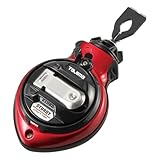
A chalk reel and a chalk box both make a straight, visible line by snapping a tensioned cord against a surface. The terms overlap: many carpenters call the whole tool a chalk line, whether its housing has a reel mechanism or is a simple box that holds chalk and cord. For this comparison, a chalk reel means a compact, enclosed tool with a crank for winding in the line; a chalk box means a basic, often larger container that stores chalk and cord, with less emphasis on fast rewind.
For framing, the useful difference is usually not the name on the package. It is how quickly the tool pays out and rewinds, how much chalk it carries, and whether its line, hook and case suit the length and frequency of your work. A basic tool can mark a few plates just as well as a more elaborate one.
As an Amazon Associate we earn from qualifying purchases at no extra cost to you.


Quick comparison
| Feature | Chalk reel | Basic chalk box |
|---|---|---|
| Best fit | Repeated long lines and regular site use | Occasional layout and simple jobs |
| Rewind | Crank makes retrieval quicker and more controlled | May be slower, depending on the design |
| Capacity and durability | Often compact; quality varies by line, gears and case | Can hold more chalk, but may be bulkier or less protected |
| Main drawback | More moving parts can jam or wear | Less convenient when laying out many lines |
| Typical choice | Regular framing, sheathing and deck layout | A few lines now and then, or a tight tool budget |
When a reel earns its place
If you mark several 20- to 40-foot lines in a day, a crank saves time and keeps the cord from dragging across dirt or snagging on cutoffs as you gather it. A well-made reel also makes it easier to stop winding when the line is nearly home instead of pulling the hook hard into the case. That matters on a busy framing site, where a line may be used dozens of times before lunch.
Look for a secure hook, a cord that winds neatly, and a case that is easy to open for refilling. A lock or controlled rewind is useful, but not essential. Fine line can produce a crisp mark, yet it is easier to break or tangle; thicker line is tougher but can leave a broader mark. For ordinary plate layout, a middle-weight line is a sensible compromise. Search for a framing chalk line reel if you want a rewind mechanism built for repeated use.
A reel is not automatically more accurate. Accuracy depends on anchoring the hook, keeping the cord straight and taut, and snapping it cleanly. A loose cord can bow; a line rubbed against a rough edge can leave a double or smeared mark. On a long run, have a second person hold the far end when possible. If working alone, hook onto a nail or a suitable edge and check that the line has not shifted before snapping.
When a basic box is enough
A simple chalk box is fine for occasional work: marking a few stud locations, laying out a short wall, or snapping lines on a small repair. If you use it only now and then, paying extra for a fast rewind may not save meaningful time. The important basics are a cord long enough for your longest run, a hook that stays put, and a lid or fill opening that does not spill chalk in your tool bag.
Basic boxes vary, so check whether the cord length covers the job with a little spare. A 50-foot line is ample for many residential framing tasks, while a 100-foot line can help on larger layouts but adds cord to manage. Don’t stretch a tool to its limit just because the package lists that length: knots, a damaged hook or an awkward anchor can cost more time than carrying a longer line. For light use, a basic chalk box with line is often the cheaper, perfectly serviceable choice.
Chalk and mark quality
Choose chalk for the surface and how long the mark needs to last. Blue chalk is a common general-purpose choice for framing because it shows on many wood surfaces and is less persistent than red. Red chalk can be difficult to remove and may bleed into porous material; avoid it where the line will remain visible on finished work. White chalk can show well on dark surfaces but may be hard to see on pale lumber. Test a short snap on the actual material before committing to a long layout.
Too much chalk makes a wide, dusty mark and can spill when the case is opened. Too little gives a faint line that disappears under handling. Refill the box according to its instructions, then wind and unwind the cord a few times to distribute chalk. Keep the tool closed in a pouch or bucket: wet chalk clumps, and sawdust mixed into the powder can make the line feed poorly. A washable chalk line is worth considering for work where cleanup matters, but it may fade sooner outdoors.
Snap a straight framing line
For a long plate or sheet edge, first mark both endpoints from a reliable reference, such as a known corner or measured offset. Hook or anchor the cord at one end, pull it taut to the other mark, and check that it passes through both points. Lift the cord a few inches near the middle and release it with a controlled snap. A hard, clean release gives a clearer line than dragging the cord or plucking it repeatedly.
Wind the line back without forcing the crank. If it binds, stop and check for a crossed wrap or chalk buildup rather than turning harder; forcing it can damage the gears or cord. Wipe the hook and case occasionally, and replace frayed line before it breaks during a layout. For frequent framing work, a sturdy heavy-duty chalk line reel is a reasonable upgrade. For a short, occasional job, spend the savings on fresh chalk and keep the basic box clean and dry.