What's inside
As an Amazon Associate I earn from qualifying purchases. This post may contain affiliate links at no extra cost to you.
Sections
Best Outside TVs for Bright Outdoor Spaces: Choose by Sun Exposure
The best outside TV depends on where it will sit: choose a weather-rated display around 500–700 nits for full shade, roughly 700–1,000 nits for partial sun, and a purpose-built direct-sun model rated at 1,000 nits or more when sunlight hits the screen. Match that brightness to the TV’s permitted operating temperatures, moisture protection, audio plan, and installation location—because a bright panel alone does not make an indoor TV suitable for outdoors.
First, identify the light at the screen
Judge the screen’s exposure during the hours you expect to watch, not just by looking at the patio at noon. An overhang may provide shade in the morning but let low afternoon sun strike the display. Reflections from pale paving, glass, water, or metal siding can also make a shaded area behave like a brighter one.
As an Amazon Associate we earn from qualifying purchases at no extra cost to you.

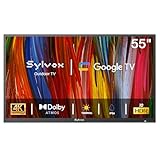


- Full shade: The screen is under a roof or deep cover and receives no direct sunlight. A weather-rated TV with moderate brightness is usually the sensible choice.
- Partial sun: The screen gets bright ambient light or brief direct sun. Prioritize higher brightness, glare management, and a mount that can angle the display.
- Direct sun: Sunlight falls on the panel for sustained periods. Look specifically for a model rated for full-sun use; ordinary outdoor and indoor TVs may be difficult to view and can overheat in this position.
Nit figures are useful for comparison, but they are not the whole picture. Screen finish, reflections, viewing angle, and the sun’s position all affect legibility. Confirm that a manufacturer rates a model for the exposure you have; don’t treat a high brightness number by itself as a full-sun certification.
Outdoor TV choices by situation
| Location | Useful brightness target | Protection and operating conditions | Best-fit choice |
|---|---|---|---|
| Covered, fully shaded porch | About 500–700 nits | Weather-rated for the actual humidity and splash exposure; check the specified operating range | Shade-rated outdoor TV; an indoor set is only a candidate in a genuinely dry, controlled enclosure approved for it |
| Bright patio with occasional sun | About 700–1,000 nits | Outdoor-rated enclosure, glare-conscious placement, and temperature range suited to local conditions | Partial-sun outdoor TV with an adjustable mount |
| Screen exposed to sustained direct sun | At least about 1,000 nits; verify the model’s intended use | Full-sun rating and explicit hot-weather operating limits are essential | Purpose-built full-sun TV; consider a retractable shade or a different screen location |
These brightness figures are practical screening ranges, not guarantees of visibility or substitutes for a manufacturer’s rating. Product specifications and model variants change, so check the exact model’s current documentation before buying.
What matters beyond brightness
Weather protection: rain is only one concern
Look for an outdoor-use rating or clear manufacturer instructions covering the intended installation. An IP rating describes protection against dust and water under defined test conditions; it does not automatically mean a TV can tolerate every combination of wind-driven rain, salt air, freezing weather, or prolonged humidity. Check whether the TV is intended for exposed locations or only sheltered patios, and whether its connections need a weatherproof cover.
Do not assume a standard indoor TV becomes outdoor-ready when placed in a cabinet. Enclosures can trap heat, obstruct ventilation, or allow condensation to form. Use only an enclosure designed for the TV and climate, and follow both manufacturers’ clearance and ventilation requirements.
Operating temperature: plan for the hottest and coldest day
Compare the TV’s specified operating range with the temperatures at its actual mounting position. A dark wall in direct sun can be much hotter than the shaded air temperature. If your region has cold winters, verify the lower operating limit too. The storage-temperature range is not the same as the operating range, and neither means the display should be switched on outside its stated limits.
Sound: open air changes the equation
TV speakers that seem adequate in a quiet room can be hard to hear outdoors, where sound disperses and competes with wind, conversation, or traffic. If the TV has a suitable built-in speaker system, it may work for casual viewing in a small, sheltered area. For a larger patio, plan for outdoor-rated speakers or a compatible soundbar. Check that the audio equipment itself is rated for its location; a weatherproof TV does not protect connected accessories.
Decide how you will connect audio before the TV is mounted. Wireless connections can be convenient, but distance, walls, and interference may affect reliability. Wired connections require a suitable route and outdoor-rated cable or conduit where the installation calls for it.
Installation: protect the screen and make service possible
Use a mount rated for the TV’s size and weight, installed into appropriate structural backing—not just siding or decorative trim. Confirm the VESA pattern, mounting hardware, and the manufacturer’s required clearances. A tilt or swivel mount can reduce reflections and improve viewing angles, but moving a large screen in wind can put extra stress on the mount.
Route power and signal cables according to local electrical rules and the TV maker’s instructions. Outdoor receptacles and wiring may require specific weather protection and professional installation. Leave access to ports and removable covers, and avoid placing the set where sprinklers, roof runoff, grill heat, or standing water reach it.
Choose by the trade-off you can live with
- Mostly evening viewing under a roof: A shade-rated model is usually enough. Spend on appropriate weather protection and a solid mount rather than paying for unused peak brightness.
- Afternoon viewing with shifting shade: Move the screen out of the sun’s path if possible. If not, choose a partial-sun model and an adjustable mount, then confirm its temperature and exposure ratings.
- Daytime sports in an exposed yard: Choose a full-sun model rated for direct exposure. Budget for a suitable mount and audio, and consider a shade structure: reducing glare may improve viewing more effectively than moving up one brightness tier.
- Infrequent use or a tight budget: A permanent outdoor installation may not be the best value. Consider a portable display used only in a protected location, but bring it inside after use and follow its instructions. A weather-resistant cover is not a substitute for outdoor-rated electronics.
Estimate the whole installation cost
Compare complete setups rather than TV prices alone. A simple planning formula is:
Total setup cost = TV + mount + electrical work + cable routing + audio + any shade or enclosure.
For example, if a covered-patio setup requires a $1,200 TV, a $150 mount, and $250 in wiring work, its known subtotal is $1,600 before optional audio. If a brighter model costs more but the screen still receives direct sun outside its approved use, the extra brightness may not solve the underlying problem. Repositioning or adding shade may be the more durable fix. These are illustrative figures, not current quotes; outdoor TV prices vary widely by size, brightness class, and protection level.
Keep the TV working longer
Outdoor electronics often fail first at vulnerable connections, seals, or parts repeatedly exposed to heat and moisture. Inspect cable entries and covers periodically, especially after storms. Clean the screen only as the manufacturer directs, using a soft, clean cloth; abrasive pads, household glass cleaner, and spraying liquid directly onto the panel can damage coatings or let moisture enter. Keep ventilation openings clear of dust and leaves.
Use a cover only if the TV maker permits it, and let the display cool as directed before covering. A cover fitted over a hot or damp set can hold heat or moisture against the cabinet. If the TV is in a seasonal location, follow its storage and winterization instructions rather than assuming that switching it off makes it safe from freezing or condensation.
For most buyers, the right order is simple: determine sun exposure, confirm the model is rated for that location and temperature range, then plan mounting, power, and sound. That approach avoids paying for brightness you do not need—or buying a screen that cannot handle the place you intend to use it.