What's inside
As an Amazon Associate I earn from qualifying purchases. This post may contain affiliate links at no extra cost to you.
Sections
What a hand plane needs to do
A timber architrave return is a short piece of moulding that turns back to the wall at the end of a door or window casing. Trimming it flush is a small job with little room for error: a plane that is too long can bridge the profile, while one with a wide sole can catch adjacent moulding. The right choice depends on the return’s width, the shape of the profile and whether you are working in place or at a bench.
For most returns, choose a short, controllable plane that can take fine shavings. A block plane is the usual first choice for a square edge or modest bevel. A small shoulder plane is useful when the cut must run cleanly into a shoulder. Neither will reproduce a shaped moulding; use a sharp chisel or a purpose-made profile tool for that.
As an Amazon Associate we earn from qualifying purchases at no extra cost to you.
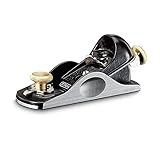
Compare the main options
| Plane type | Best use | Trade-off |
|---|---|---|
| Low-angle block plane | Small end-grain trims, bevels and flush cuts on narrow returns | Compact and versatile, but its short sole can tip on a broad face |
| Standard block plane | General trimming on straight-grained timber | Often cheaper; may tear end grain more than a low-angle plane |
| Shoulder plane | Accurate cuts up to a shoulder, such as a square return edge | Better registration at the side, but usually costs more and is less all-purpose |
| Chisel | Small corrections in corners or on shaped profiles | Inexpensive and precise in skilled hands; easier to dig in or leave a hollow |
A low-angle block plane is the most practical single purchase for occasional architrave work. Its low cutting angle is helpful on end grain, and its small size suits short returns. Look for an adjustable mouth and a blade that can be set finely; a heavy, well-fitted plane is easier to control than a light casting with play in the adjuster.
Match the plane to the cut
For a simple square return, a block plane can trim the end back in controlled passes. If the return meets a flat shoulder and you need the plane to register against that shoulder, a shoulder plane’s blade extends across the full width of the body. That helps prevent an uncut strip at the edge. A small shoulder plane is worth considering if you regularly fit joinery or make accurate returns, but it is poor value for a single repair where a chisel and block plane will do.
For a moulded profile, do not expect a flat-soled plane to follow every contour. It can flatten the high points and spoil the shape. Trim the bulk with a fine-toothed saw, then pare the remaining material with a sharp chisel, working from the face toward the waste to reduce breakout. A bevel-edge chisel is a sensible companion, though a good single chisel in the appropriate width is preferable to a cheap set of blunt blades.
Set up and plane without damage
First mark the finished line with a sharp pencil or marking knife, and support the return close to the cut. If the architrave is already fixed, protect the wall and adjacent painted face with masking tape or a thin sacrificial shim. Check that the plane’s blade is sharp and does not project noticeably farther on one side than the other. For finish work, aim for shavings around 0.05–0.1 mm thick; if the plane is taking thick curls, back off the blade.
Plane from the face toward the end where possible, and use short strokes with light pressure. On end grain, skewing the plane slightly—about 20 to 30 degrees—can make the cut easier and reduce tearing. Keep the sole flat through the stroke; tipping at the start or finish rounds the edge. Near the line, take one or two fine passes, then check with a straightedge or hold the return in position. Do not chase a tiny gap with a heavy cut.
End grain can split at the far edge. If the return is loose, clamp it between scrap blocks; if it is fitted in place, score the cut line with a knife and work inward from both ends, meeting in the middle. On a very short piece, the knife-and-chisel method may be safer than planing because the plane can rock or catch the adjacent casing.
What to buy—and what to skip
For occasional site use, a basic block plane is fine if the sole is flat, the blade seats securely and the adjuster holds its setting. Check for a blade that can be sharpened, rather than a disposable or awkwardly mounted cutter. A premium plane buys better fit and adjustment, not immunity from sharpening. If you already own a sharp block plane, there is little reason to buy another solely for architrave returns.
Keep the iron sharp: a dull edge crushes fibres, needs more force and is more likely to skid into the visible face. Hone the bevel, remove the wire edge, and test on offcuts of the same timber. If the plane still tears out, reduce the cut, skew the stroke or try a lower cutting angle. Do not compensate by forcing the tool.
Before buying a specialist shoulder plane, consider how often you make square shoulders and whether the return is accessible. For one or two door casings, a serviceable block plane and a sharp chisel are usually the better-value kit. For repeated fitting work, the shoulder plane’s reliable edge registration can save time and reduce cleanup.