What's inside
As an Amazon Associate I earn from qualifying purchases. This post may contain affiliate links at no extra cost to you.
Drawer and cabinet fitting is mostly controlled material removal. A plane can shave a tight drawer side, bring a door edge to a clean line, or ease a small high spot without the dust and setup of a power tool. The useful choice depends less on prestige than on the size of the adjustment and how much edge you need to control.
As an Amazon Associate we earn from qualifying purchases at no extra cost to you.



Sections
Our Top Picks
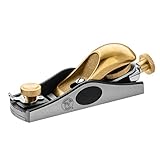
 Rockler Bench Dog No. 60-1/2 Low Angle Block60-1/2 Block Plane6.25 x 1.6 x 6.25 inches0 PoundsCheck on Amazon
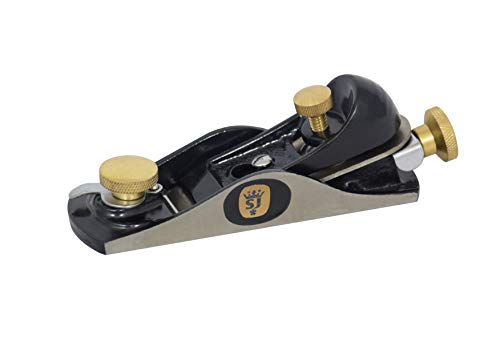 Spear & Jackson CBP95 9 1/2 Carpenters Block9 1/2 In6.89 x 1.77 x 2.76 Inches1.98 poundsCheck on Amazon


Choose a plane for the size of the cut
A block plane is compact and easy to steer on short edges. It is a good first choice for easing a corner, trimming a narrow drawer side, or removing a few thousandths from a door edge. A low-angle block plane is especially convenient for end grain, though a sharp blade and a fine setting matter more than the label.
A bench plane gives you more sole length to bridge small dips and keep a long edge straight. A No. 4-size smoothing plane is a practical general-purpose option for cabinet parts; a longer No. 5-size plane is better for truing longer edges, but is heavier and less nimble in tight spaces. If you mainly fit drawers and small doors, start with a block plane or a No. 4 rather than buying a long jointer plane.
For a first purchase, compare a metal adjustable block plane with a No. 4 bench plane. A basic plane can do good work if its blade is sharp and its mouth and depth adjusters hold their settings. Paying more may buy better fit and finish, but it does not eliminate setup or sharpening.
Which plane fits the job?
| Plane type | Best use | Trade-off |
|---|---|---|
| Block plane | Short edges, end grain, small fitting cuts | Short sole can follow a dip instead of flattening a long edge |
| No. 4 smoothing plane | Drawer sides, cabinet edges, general fine trimming | More setup and sharpening than a small block plane |
| No. 5 jack plane | Longer edges and removing more stock | Heavier; easy to overcut a small part |
| Shoulder plane | Shoulders and cheeks of rebates or tenons | Specialist tool; poor value if you only fit plain drawer parts |
Sharpness and adjustment matter more than price
Before fitting a part, check the sole for damage, make sure the blade is seated securely, and set the cutting iron for a fine shaving. For final fitting, aim for a shaving around 0.05–0.1 mm thick. The exact thickness is not a target to measure on every pass; it is a useful indication that the plane is taking a light cut rather than digging in.
A dull blade tends to bruise or tear the wood instead of slicing it. On figured grain, even a sharp blade can tear out if the cut runs against the grain. Reduce the depth, skew the plane slightly, or change direction if the layout allows. A mouth opened too wide can also let thin stock chatter, while a blade projecting too far can catch at the edge and leave a gouge.
New planes often need attention. A blade may require flattening and sharpening, and an inexpensive casting may have rough spots or an uneven sole. If you do not already sharpen, budget for a way to maintain an edge; a simple honing guide and sharpening stones or abrasive sheets are enough for this kind of work. A polished plane with a blunt iron is still a blunt plane.
Fit drawer and cabinet parts without overshooting
Mark the high area with pencil or use a thin coat of chalk on the mating surface. Take two or three light passes, test the fit, and repeat. For a drawer that binds, check where it rubs before planing: a twisted case, a protruding runner, or a loose joint can imitate an oversized drawer side. Removing wood from the wrong place can make the gap visible without fixing the cause.
Keep the part supported close to the cut. A narrow drawer side held only at one end can flex, producing a hollow edge. Plane from the end toward the center when working near a fragile corner, or take a short pass from each end to reduce breakout. On end grain, support the far edge with a scrap block; otherwise the plane can split off the last fibers as it exits.
When fitting a door, mark the edge and remove only the high spots first. A few strokes can change the reveal noticeably. For a tight drawer, aim for a consistent small clearance rather than a friction-free fit with a visibly wide gap; wood movement can close a snug gap in humid weather. The right allowance depends on the wood, finish, and construction, so test the assembled part through its full travel before making a final pass.
When a cheaper tool is enough
If you only ease corners and trim occasional small parts, a basic block plane is usually enough. You do not need a premium bench plane to take a thin shaving, and a well-maintained used plane can be a bargain if the body is sound and the adjusters work. Avoid a plane with a cracked casting, a badly damaged sole, or a blade that cannot be clamped securely.
For routine cabinet work, a block plane and a No. 4 cover most fine-tuning tasks. Add a No. 5 if you regularly straighten longer edges; buy a shoulder plane only when you often fit rebates or shoulders that other planes cannot reach cleanly. That keeps the kit useful without filling the bench with specialty tools that spend most of their time in a drawer.