What's inside
As an Amazon Associate I earn from qualifying purchases. This post may contain affiliate links at no extra cost to you.
Sections
Best ATV Helmets: The Right Choice Depends on Your Ride
The best ATV helmets are properly certified, snug without pressure points, and suited to your terrain: choose a lightweight full-face helmet with a clear shield for fast, dusty rides, or a well-ventilated off-road helmet with goggles for slower, hotter trails. Shell material, fit, ventilation, and eye protection matter more than extra features if those basics are wrong.
There is no single helmet that suits every rider. A shield is convenient in changing weather, while goggles paired with an open eye port tend to offer more airflow and are easier to replace when scratched. Before comparing features, check the label for a current certification accepted where you ride. In the United States, look for DOT FMVSS No. 218 compliance; requirements differ by country and riding area.
As an Amazon Associate we earn from qualifying purchases at no extra cost to you.

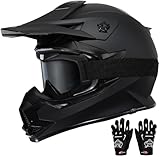

Quick Picks by Riding Situation
| Riding situation | Best helmet type | What to prioritize | Main trade-off |
|---|---|---|---|
| Long, dusty trail rides | Full-face with a sealed, replaceable shield | Secure fit, broad field of view, shield anti-fog options | More heat and shield fog risk than goggles |
| Hot, low-speed riding | Off-road helmet with goggles | Large eye port, washable liner, multiple vents | More exposed to wind and weather |
| Mixed weather and variable speeds | Adventure-style full-face helmet | Vent control, visor clearance, shield replacement availability | Can be heavier than a dedicated off-road design |
| Occasional or budget-conscious use | Certified helmet with a basic, secure fit | Correct certification, comfortable liner, affordable replacement parts | Fewer adjustments and premium comfort features |
| Frequent long rides | Lightweight composite-shell helmet that fits well | Low weight, stable balance, removable washable padding | Composite shells generally cost more |
The weights below are approximate examples for common adult helmet configurations, not guaranteed model specifications. Visors, shields, sizes, and shell sizes can change the weight; check the manufacturer’s specification for the exact model you are considering.
Shell, Weight, and Ventilation: What Changes on the Trail
| Helmet construction or feature | Typical weight range | Advantages | Consider before buying |
|---|---|---|---|
| Polycarbonate shell | About 3.2–4.0 lb (1.45–1.81 kg) | Usually the most affordable; widely available | Often heavier than comparable composite designs |
| Fiberglass composite shell | About 2.9–3.7 lb (1.32–1.68 kg) | Can reduce weight without moving to a premium fiber shell | Price and weight vary by construction and size |
| Carbon-fiber or advanced composite shell | About 2.6–3.4 lb (1.18–1.54 kg) | Often the lightest option in a comparable class | Higher cost; confirm certification and exact configuration |
| Off-road ventilation layout | Varies by shell material | Large vents and open eye port can improve airflow | More open designs may admit dust, rain, or cold air |
| Shield-equipped full-face layout | Varies by shell material | Convenient eye and face coverage; no separate goggles required | Shield can fog, scratch, or need a tint change |
These are broad category ranges, not safety rankings. Weight alone does not indicate how well a helmet protects. A lighter helmet that rocks on your head is a worse practical choice than a slightly heavier one that stays stable and fits correctly. If you can, try helmets in person and wear each for 10–15 minutes to spot pressure points before buying.
Vent count is not the same as useful ventilation. Look for intake vents you can operate with gloves and exhaust paths that let warm air escape. If you ride slowly through brush or mud, airflow may be limited regardless of vent design; a removable, washable liner becomes especially useful.
Shield or Goggles? Choose for the Conditions
Pick a shield for convenience and changing weather
A full-face shield keeps you from needing a separate pair of goggles and can be practical when conditions shift between dusty, wet, and cool. Check that replacement shields are readily available, that the hinge positions hold securely, and that the shield can be opened enough to reduce fogging. A clear shield is a sensible default for low light. Tinted shields can reduce glare in bright conditions but may make shaded trails harder to see; avoid relying on a dark tint when light may change.
Pick goggles for airflow and easy replacement
Off-road goggles usually pair well with a helmet’s wide eye port and are straightforward to swap if lenses become scratched or muddy. Confirm that the helmet and goggles fit together without a gap at the forehead or pressure on the nose. Tear-offs or roll-offs can help in muddy conditions, but they add consumable costs and need to be compatible with the goggle frame. Goggles protect the eyes, not the whole face, so choose this setup only with a compatible helmet intended for it.
How to Get the Fit Right
-
Measure your head. Wrap a flexible tape around the widest part, usually just above the eyebrows and ears. Use the brand’s size chart; a medium in one brand may fit like a different size in another.
-
Check even contact. The helmet should feel snug all around, without sharp pressure at the forehead or temples. If it slides easily, rocks, or leaves a large gap at the cheeks, try another size or shape.
-
Secure the retention system. Fasten the chin strap as the manufacturer directs. With the strap secured, gently try to roll the helmet forward and backward; it should move your skin with it rather than shifting freely.
-
Wear it for several minutes. A fit that initially feels fine can reveal a pressure point after 10–15 minutes. Do not assume that painful pressure will disappear with break-in.
-
Try your eye protection. Check goggles, glasses, or the shield while wearing the helmet. Make sure nothing pinches and your usable field of view is clear in your normal riding position.
Ownership: What Wears Out and What to Maintain
Foam and comfort liners flatten, straps and buckles can wear, and shields or goggle lenses pick up scratches. Dust and sweat speed up the need for cleaning. Follow the helmet maker’s care instructions: many liners can be removed and hand-washed with mild soap, while harsh solvents and unapproved cleaners may damage materials. Let parts air-dry fully before reassembly.
- Inspect the shell, strap stitching, buckle, and eye-protection hardware before rides. Stop using a helmet with visible damage or a compromised retention system.
- Replace scratched shields or lenses when they interfere with clear vision, rather than trying to polish them with an unapproved product.
- Use only manufacturer-approved replacement parts. A shield that looks similar may not lock securely or seal correctly.
- After any impact, follow the manufacturer’s replacement guidance. Damage to the energy-absorbing liner may not be visible from the outside.
- Store the helmet away from fuel, solvents, direct heat, and heavy objects that could deform or damage it. Check the maker’s instructions for service life and storage recommendations.
For most riders, the best value is not the cheapest helmet or the lightest one on the shelf. It is a certified model that fits your head shape, suits your pace and climate, and has replacement shields or padding you can actually obtain. If you are between sizes or have persistent fit problems, ask a knowledgeable helmet retailer for help rather than modifying the liner.