What's inside
As an Amazon Associate I earn from qualifying purchases. This post may contain affiliate links at no extra cost to you.
Chisels and plane irons need a sharp, flat edge; the choice between waterstones and diamond plates is mainly about how quickly you can restore that edge and how much upkeep you’ll tolerate. For site maintenance, where grit, limited water and a crowded tool bag are part of the job, diamond plates are often easier to live with. Stones can still be the better buy if you sharpen mostly in a workshop and value their cutting feel.
As an Amazon Associate we earn from qualifying purchases at no extra cost to you.


Sections
Our Top Picks
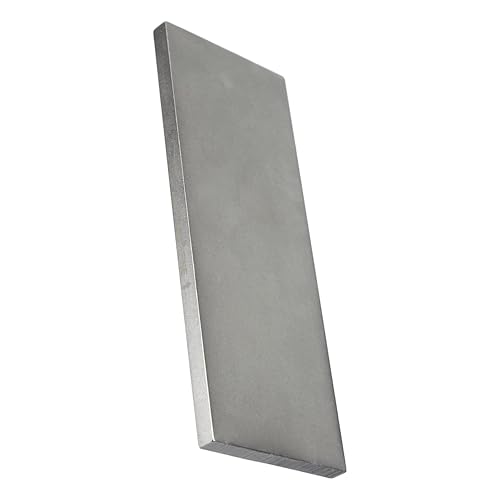
 DMT FWFC DuoSharp Double-Sided Diamond Sharpening Stone forOne Size9.5 x 5 x 3.25 Inches0.2 poundsCheck on Amazon
What the two abrasives do
Sharpening stones are abrasive particles held in a block, commonly used wet. Waterstones cut quickly, but the surface wears and dishes, so it needs flattening. Oilstones wear more slowly but can cut at a more measured pace. “Stone” covers several materials; check the product’s instructions rather than assuming every stone should be soaked or oiled.
Diamond plates bond diamond abrasive to a metal plate. They stay flat through ordinary sharpening and work dry or with a little water, depending on the manufacturer. They remove steel quickly, particularly in coarse grits, but can feel aggressive and leave scratches if you jump straight to a fine plate.
What matters on site
A chisel that has rolled over a nail or taken a chip needs more than a quick polish. A coarse abrasive removes damage and establishes a bevel; a finer abrasive refines the edge. For routine touch-ups, you may only need the finer step. A two-sided abrasive around 300–600 grit and 1,000 grit is a practical starting point for repair and edge refinement. Add a finer abrasive or strop if you want a more polished edge, not because every site chisel requires a mirror finish.
Size matters too. A plate roughly 200–250 mm long gives a plane iron room to travel without running off the edge. A small pocket plate is convenient for a chisel touch-up, but awkward for flattening a wide plane iron. Secure the abrasive on a stable surface: a plate that skates across a bench or tailgate is a safety problem, not a sharpening shortcut.
Stones and plates compared
| Consideration | Sharpening stone | Diamond plate |
|---|---|---|
| Flatness | Waterstones dish; flatten as needed | Stays flat in normal use |
| Setup | Often needs water, a holder and cleanup | Usually works dry or with a little water |
| Cutting feel | Often gives a softer, more forgiving feel | Firm, fast and sometimes scratchy |
| Site durability | Can chip if dropped; wet stones need protection | Plate can be damaged by impact; abrasive eventually wears |
| Upkeep | Flattening and drying, depending on type | Clean swarf and avoid pressing hard |
| Budget | Basic stones can be inexpensive; flattening adds cost | Quality plates often cost more upfront |
Which should you buy?
For a van or site kit, a plate is a strong choice if you need a reliable touch-up surface without carrying water or checking whether a stone has become dished. A coarse/fine double-sided diamond sharpening plate covers common repairs in one item. Check the plate’s actual grit ratings and dimensions; grit numbers are not perfectly comparable across abrasive systems.
Choose stones if you sharpen at a bench, already own a flattening method and don’t mind managing water. They can be economical over time, particularly if you buy a straightforward combination stone and accept that its surface needs maintenance. A combination waterstone offers a useful coarse-to-fine progression for ordinary edge work. The cheaper option is fine if it suits your routine: a stone that is kept flat and used regularly beats an expensive plate left at home.
There is no need to replace one system with the other. Some woodworkers use a coarse diamond plate to flatten waterstones, then sharpen on the stones. Others carry a small plate for field touch-ups and do careful sharpening back at the bench.
A practical site sharpening routine
First, inspect the edge. A shiny strip at the tip usually signals a blunt edge; a visible chip needs coarse work. Clamp or hold the tool securely, and keep fingers behind the cutting edge. If the bevel angle is already serviceable, preserve it rather than grinding a new angle on every touch-up. Many bench chisels use a primary bevel around 25 degrees, with a small secondary bevel a few degrees steeper, but follow the tool’s existing geometry unless there is a reason to change it.
Work the bevel on the coarse surface only until damage is gone and a consistent burr forms along the back. Use light pressure on diamond; pressing hard can accelerate wear or leave deep scratches. Refine on the finer surface, then remove the burr by laying the back flat and taking a few controlled strokes. A burr left behind can fold over in use and make a freshly sharpened chisel seem dull. Test on end grain or a controlled shaving, not by dragging a finger across the edge.
Common mistakes and upkeep
On a waterstone, a hollow in the middle makes it harder to keep a plane iron square and the bevel consistent. Check the surface with a straightedge; flatten when the dip interferes with contact, not only when the stone looks badly worn. Let a soaked stone dry fully before storing it, and don’t leave it where freezing can crack it.
On a diamond plate, packed steel swarf can make the surface feel slow. Clean it as directed, and avoid using a plate as a general-purpose file. Diamond abrasive wears too: a plate that has become noticeably slower, especially through the centre, is no longer saving time. Keep both types away from loose grit, which can scratch a polished bevel or plane iron. For a belt kit, protect the abrasive with its case and carry a small plate holder or non-slip mat if the work surface is unstable.