Best Site Kits for Scribing Timber Against Masonry
Scribing timber against masonry is a layout job before it is a cutting job. The usual mistake is trying to […]
Scribing timber against masonry is a layout job before it is a cutting job. The usual mistake is trying to […]
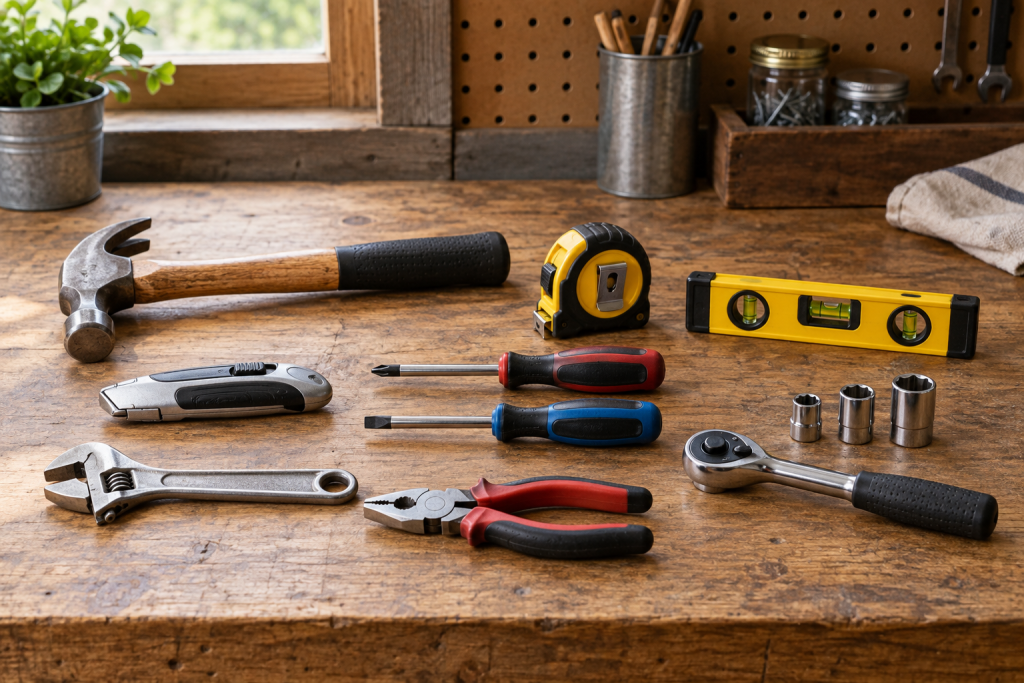
Timber stair repairs are usually small jobs with awkward consequences. A loose tread, split nosing, worn housed joint or squeaking
A combination square and carpenter pencil are two of the tools you reach for constantly, so they deserve better than
Cabinet installation is hard on tool bags. You move between the van, kitchen, workbench, and ladder several times a day,
Hand planes are easy to damage in storage. A plane can survive years of use, then pick up a rust
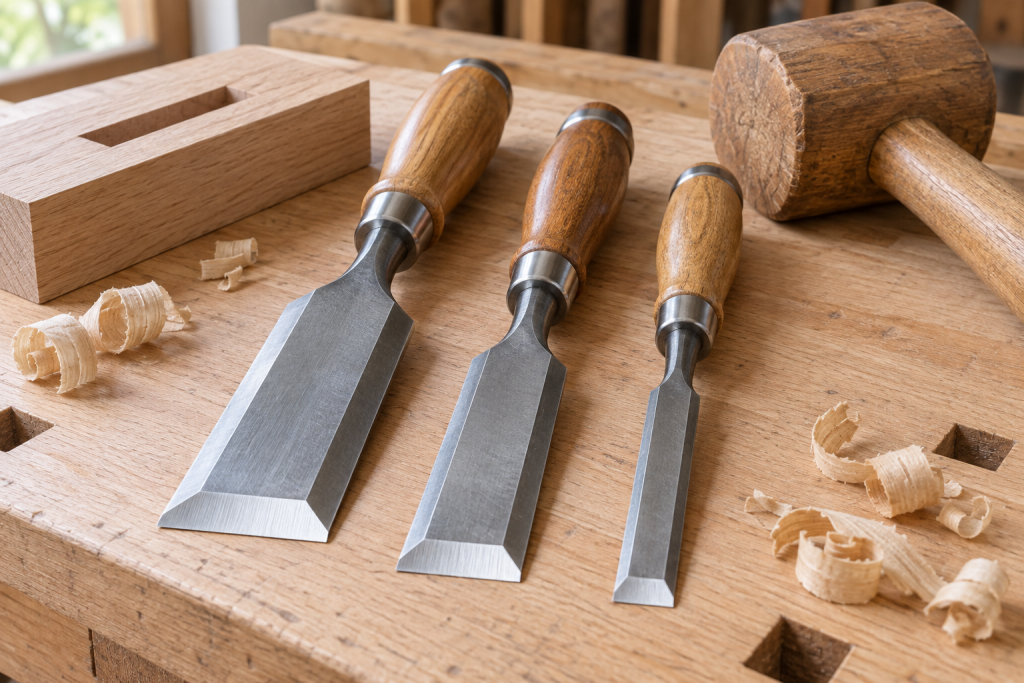
Why Chisel Handles Catch on Tool Belts A chisel handle catches when its shape, length, or position lets it hook
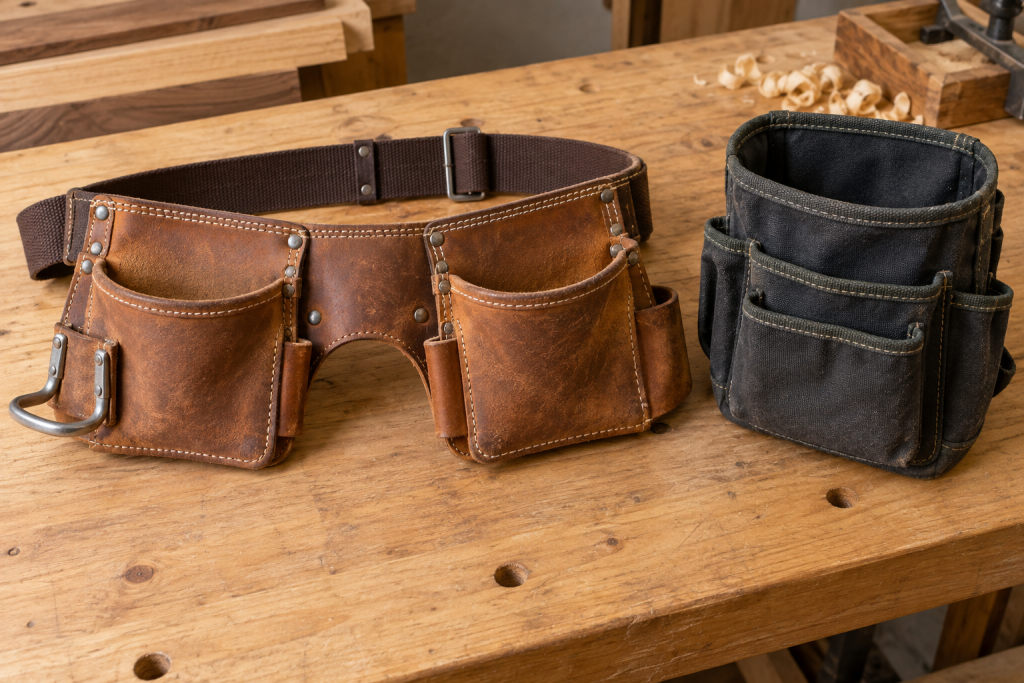
A tape measure clip sounds like a small detail, but it determines how quickly you can put a tape away
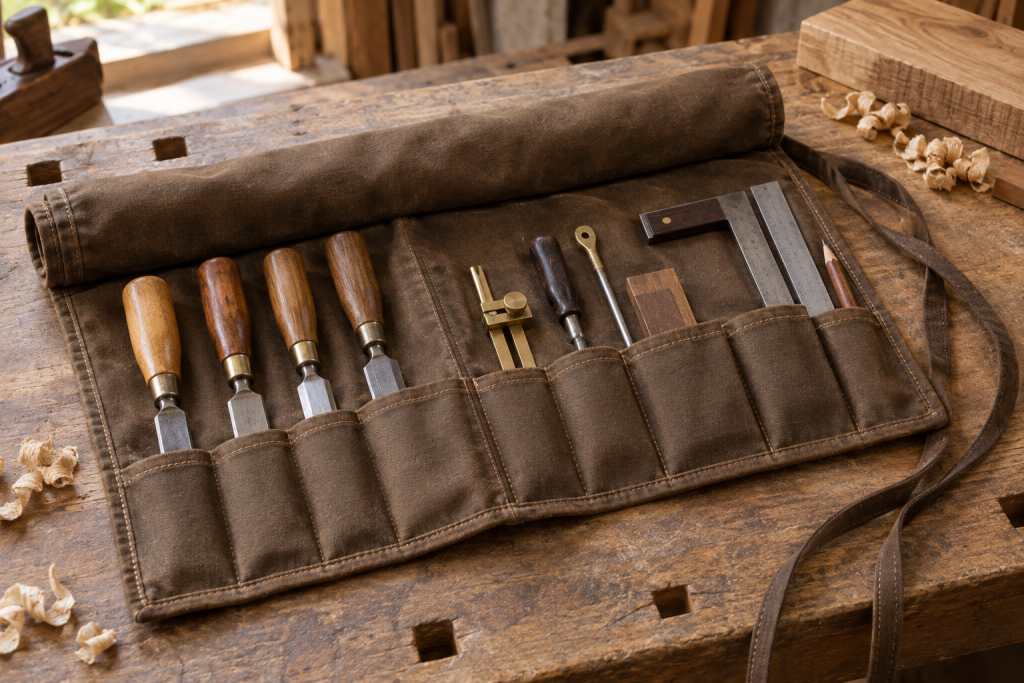
Second-fix joinery is where a good-looking job is won or lost. The first fix gets walls, floors and openings into
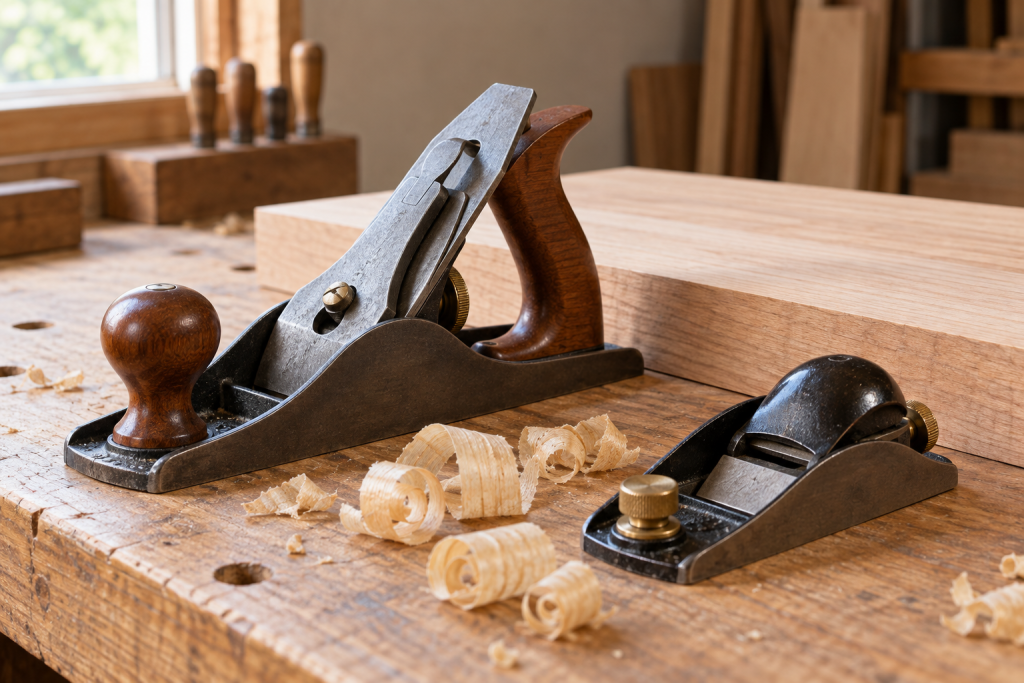
A plane iron can be damaged in seconds inside a toolbox. The usual causes are simple: the cutting edge hits
Adjusting a sticking timber window sash is usually a controlled removal job, not a brute-force one. The sash may need