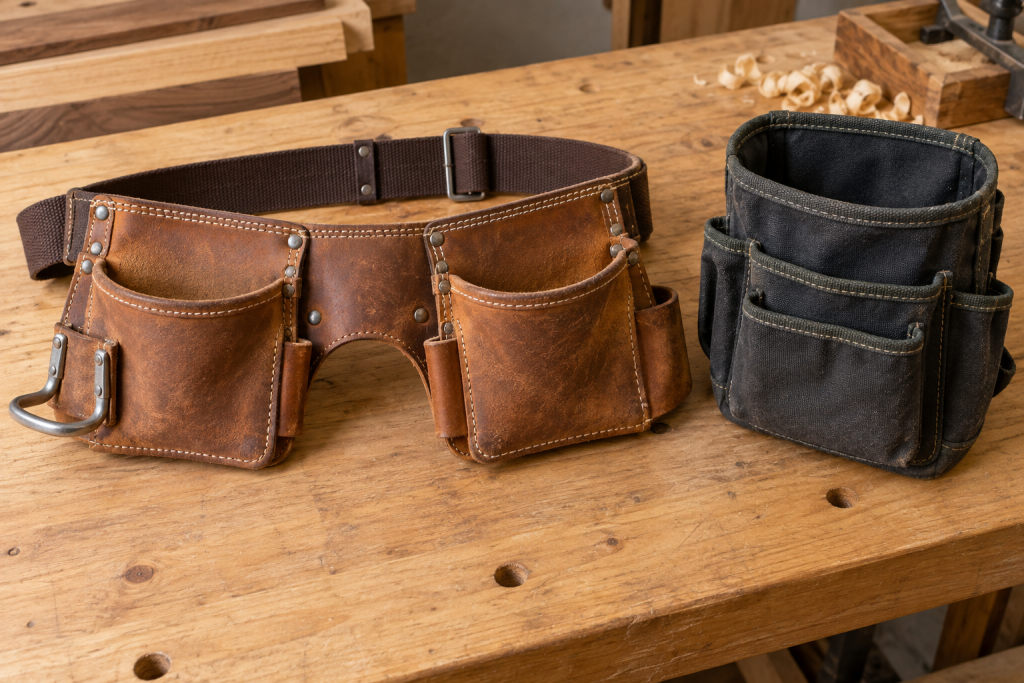
How to Prevent Layout Tools from Falling Out of a Tool Pouch
Why Layout Tools Fall Out in the First Place Layout tools are the worst offenders for falling out of a […]
Why Layout Tools Fall Out in the First Place Layout tools are the worst offenders for falling out of a […]
Why Leather Belts Fail If You Ignore Them A good leather carpenter’s belt will last 10 to 15 years. A
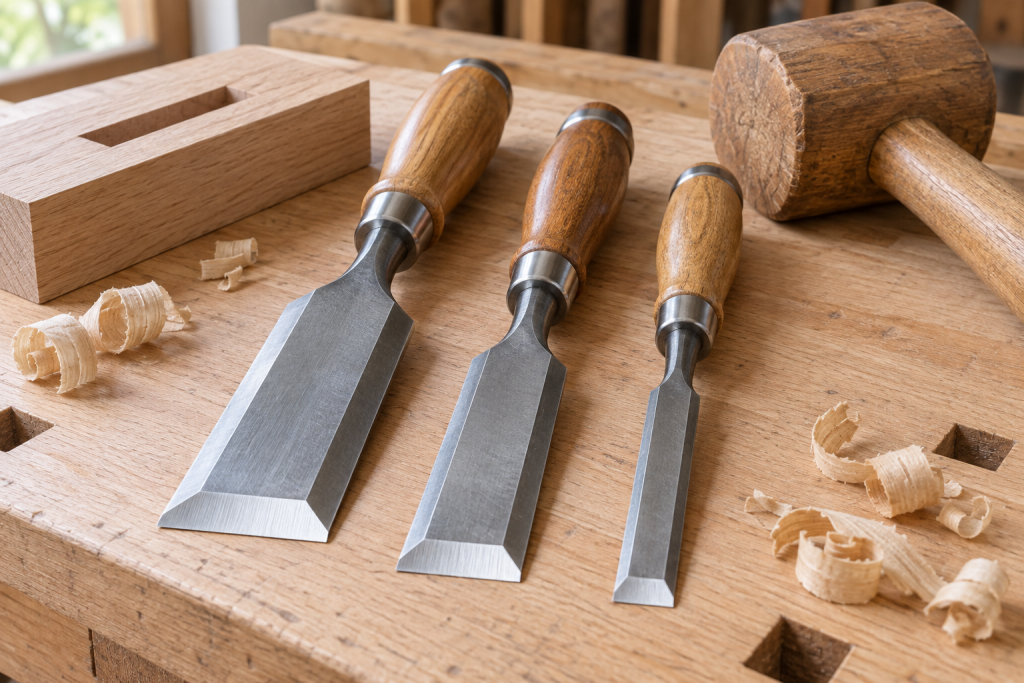
Why Belt Carry Deserves Caution A sharp bench chisel is ground to 25 to 30 degrees and honed until it
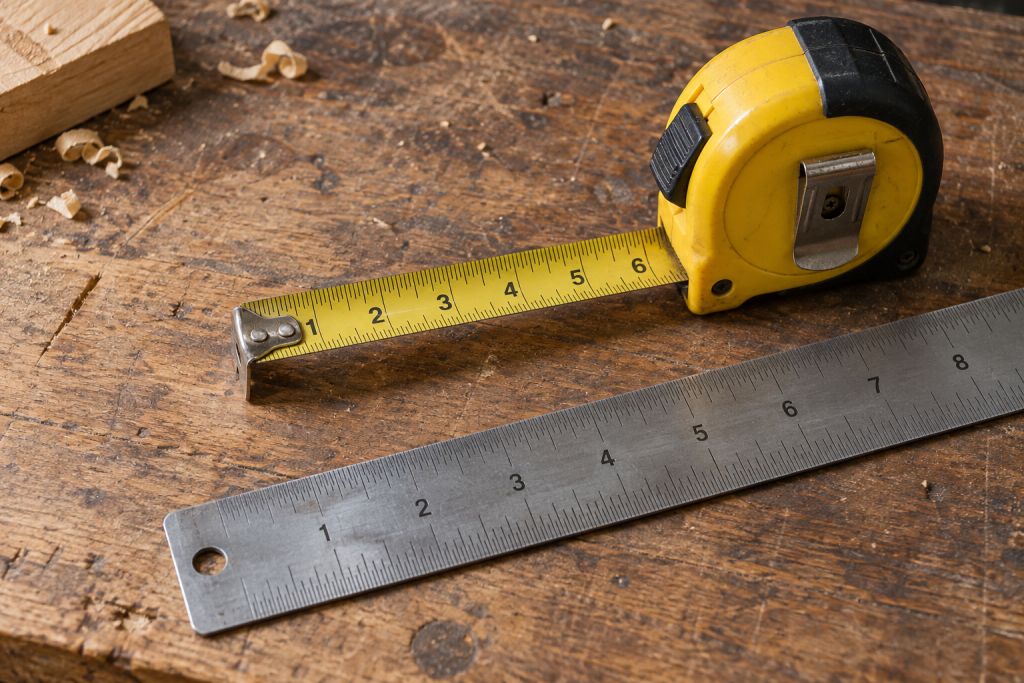
Why Tape Measures Damage Tool Belts A 25-foot tape lives on your belt all day, and it is one of
Why hip strain happens with a tool belt A loaded carpentry belt often ends up at 12 to 18 pounds
Why a Poor Fit Wears You Out A tool belt that sits right feels weightless for the first hour. A
Why Layout Matters for Door Hanging Door installation is a constant loop of measure, shim, plumb, fix, and pare. You
A fixed-layout belt is one solid rig: belt, pouches, and holders are sewn or riveted together and stay where they
What finish work actually requires Finish carpentry is not framing. You are not carrying a framing hammer, 5 lbs of
Chisels live or die by their edges. Unlike a tape measure or a speed square, you can’t just toss them