What's inside
- Quick comparison: the short list
- What “dust-proof” actually means in a wood shop
- Best overall for workshop duty: the IP68/IP69K rugged class
- Best mainstream pick: Samsung Galaxy A16 5G
- Best battery life in a slim body: recent Moto G Power generations
- Best under $150: Moto G Play class
- Best if you can stretch: Google Pixel 8a
- How to choose: the numbers that matter
- Decision matrix: match the phone to your shop
- Ownership realities: what wears out first
- Frequently Asked Questions
- Quick comparison: the short list
- What “dust-proof” actually means in a wood shop
- Best overall for workshop duty: the IP68/IP69K rugged class
- Best mainstream pick: Samsung Galaxy A16 5G
- Best battery life in a slim body: recent Moto G Power generations
- Best under $150: Moto G Play class
- Best if you can stretch: Google Pixel 8a
- How to choose: the numbers that matter
- Decision matrix: match the phone to your shop
- Ownership realities: what wears out first
- Frequently Asked Questions
As an Amazon Associate I earn from qualifying purchases. This post may contain affiliate links at no extra cost to you.
If you want one phone that survives a wood shop, buy sealing before screen size: the best sub-$300 Cyber Monday class is an IP68/IP69K rugged model from the Ulefone Armor or Blackview BV families (roughly $180–$300), and the best mainstream alternative is the Samsung Galaxy A16 5G at about $150–$200, with a 6.7-inch AMOLED screen, a 5,000 mAh battery and IP54 dust-and-splash protection. The spec that decides this category is the second digit of the IP rating — IP6X is dust-tight, IP5X is only dust-protected — and only a handful of mainstream phones under $300 reach IP6X, most notably the Google Pixel 8a (IP67) and recent Motorola Moto G Power generations (IP68).
As an Amazon Associate we earn from qualifying purchases at no extra cost to you.


Sections
- Quick comparison: the short list
- What “dust-proof” actually means in a wood shop
- Best overall for workshop duty: the IP68/IP69K rugged class
- Best mainstream pick: Samsung Galaxy A16 5G
- Best battery life in a slim body: recent Moto G Power generations
- Best under $150: Moto G Play class
- Best if you can stretch: Google Pixel 8a
- How to choose: the numbers that matter
- Decision matrix: match the phone to your shop
- Ownership realities: what wears out first
- Frequently Asked Questions
Quick comparison: the short list
| Pick | Best for | Key specs (per manufacturer spec sheets) | Typical Cyber Monday range |
|---|---|---|---|
| Rugged IP68/IP69K class (Ulefone Armor, Blackview BV, Doogee S) | Dustiest shops, drop-heavy use | 6.5–6.6″ 120 Hz LCD, 10,000–15,000 mAh, IP68/IP69K, MIL-STD-810H, 350–500 g | $180–$300 |
| Samsung Galaxy A16 5G | Best mainstream balance | 6.7″ Super AMOLED 90 Hz, 5,000 mAh, IP54, microSD, 3.5 mm jack | $150–$200 |
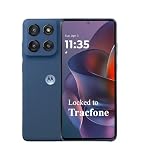
| Motorola Moto G Power (recent generation) | Longest runtime in a slim body | 6.8″ LCD 120 Hz, 5,000 mAh, IP68 on recent models, MIL-STD-810H claimed | $200–$250 |
| Motorola Moto G Play class | Cheapest usable work phone | 6.5″ LCD, 5,000 mAh, IP52, single speaker | $120–$170 |
| Google Pixel 8a (stretch pick) | Camera and long update life | 6.1″ OLED 120 Hz, 4,492 mAh, IP67, 7 years of OS/security updates per Google | $299–$349 |
What “dust-proof” actually means in a wood shop
The IP code comes from IEC 60529. The first digit is solids, the second is water, and they are independent — a phone can be excellent at one and mediocre at the other. Fine sawdust from walnut, cherry or MDF is abrasive and slightly hygroscopic; mixed with sweat and skin oil it can bridge the pins inside a USB-C port and cause corrosion, which is the single most common death of a work phone.
| Rating | Dust meaning | Water meaning | Realistic shop verdict |
|---|---|---|---|
| IP52 | Limited dust ingress | Dripping water, tilted 15° | Bench phone only; keep it off the saw table |
| IP54 | Dust protected, limited ingress | Splashes from any direction | Fine for a home shop with a dust collector running |
| IP67 | Dust-tight | 1 m of fresh water for 30 minutes | Good all-round protection for a working shop |
| IP68 | Dust-tight | Deeper than 1 m, duration set by the maker | Best mainstream option; note the depth/time varies by brand |
| IP69K | Dust-tight | High-pressure, high-temperature jets | Overkill unless you blow the shop out with a pressure washer |
MIL-STD-810H deserves a caveat. It is a set of test methods, not a certification body — manufacturers choose which procedures to run and self-report the results. A “MIL-STD-810H” claim usually means the phone passed a subset of drop, vibration, humidity and temperature tests, so treat it as a hint about durability rather than a guarantee.
Best overall for workshop duty: the IP68/IP69K rugged class
Phones like the Ulefone Armor series, Blackview BV models and Doogee S-series trade thinness for survival. They typically pair a 6.5- to 6.6-inch screen with a 10,000–15,000 mAh battery, rubber-sealed port covers, and a body that weighs 350–500 g. That mass is the point: a heavier phone survives a 1.2 m drop onto concrete because the impact energy is spread across a thick chassis and a raised bezel, and the port covers keep dust out of the charging socket entirely.
Who it suits: anyone who cuts, routs or sands daily, works on site, or has already killed two ordinary phones with dust.
Main trade-off: the same mass and rubber plugs make it awkward in a pocket, the cameras are usually a step behind mainstream models at the same price, and a 15,000 mAh battery can take two to three hours to charge from empty even on fast charging.
Best mainstream pick: Samsung Galaxy A16 5G
At roughly $150–$200 on Cyber Monday, this is the value pick for a home workshop. Per Samsung’s spec sheet it carries a 6.7-inch Super AMOLED panel at 90 Hz, a 5,000 mAh battery, IP54 sealing, a microSD slot and a 3.5 mm headphone jack — the last two matter more in a shop than most buyers expect, because you can keep a spare 128 GB card of plans and photos without paying for cloud storage, and you can run cheap wired ear protection without a dongle.
Who it suits: a hobbyist with a dust collector and a bench vac who wants a normal phone that tolerates a dusty environment.
Main trade-off: IP54 is dust-protected, not dust-tight. Leave it face-down on the table saw for an afternoon and fine dust will find the speaker mesh and the port.
Best battery life in a slim body: recent Moto G Power generations
Motorola’s Moto G Power line has moved upmarket on sealing in recent generations, with IP68 and MIL-STD-810H claims on the spec sheet alongside a 6.8-inch 120 Hz display and a 5,000 mAh cell. That combination — mainstream dimensions plus dust-tight sealing — is the sweet spot if you dislike rugged bricks but still want the second IP digit to be a 6 or better.
Main trade-off: an LCD panel instead of OLED means weaker contrast in a bright shop, and Motorola’s update commitment is generally shorter than Samsung’s or Google’s, so the phone’s supported life is the constraint, not the hardware.
Best under $150: Moto G Play class
The Moto G Play class sits at $120–$170 and gives you a 6.5-inch screen, a 5,000 mAh battery and IP52. It is the right answer if the phone lives in a drawer and only comes out for measurements, photos of a joint, and calls to a supplier.
Main trade-off: IP52 is the weakest sealing in this roundup. Budget for a $10–$20 sealed pouch or a hard case with port flaps; that single accessory does more for lifespan here than any spec on the box.
Best if you can stretch: Google Pixel 8a
If Cyber Monday pricing dips the Pixel 8a to the $299–$349 band, it buys the best camera under $400, IP67 dust-tight sealing, a 6.1-inch OLED, and 7 years of OS and security updates per Google’s support documentation. That update commitment is the real story for a work phone: the device stays patched long after the battery has been replaced once.
Main trade-off: a 4,492 mAh battery is the smallest here, and 6.1 inches is small for gloved hands. It is the pick for a finish carpenter who wants a good camera more than a tough shell.
How to choose: the numbers that matter
Screen size vs. glove reach
Measured across the body, a 6.1-inch phone is roughly 71 mm wide and a 6.7-inch phone about 78 mm. A medium work glove adds 6–8 mm of effective width at the palm and kills your thumb’s tactile feedback, so a 6.7-inch phone one-handed in gloves feels like a 6.9-inch slab. If you take measurements with one hand while holding a square in the other, 6.1–6.4 inches is the practical ceiling; if the phone lives on a shelf, 6.7–6.8 inches is fine.
Runtime math for a shop day
Work it out from current draw rather than from the box: a 5,000 mAh cell (about 19 Wh at 3.85 V nominal) that pulls roughly 450 mA in mixed indoor use runs around 11 hours. Add Bluetooth to a hearing-protection headset, keep the screen at full brightness for a plans PDF, and the draw climbs to 900–1,100 mA — which lands you at 4.5–5.5 hours. A 10,000 mAh rugged phone doubles those figures, which is why the heavy class still wins on a long install day.
Cost per supported month
Divide the sale price by the years of security updates the maker promises. A $170 Galaxy A16 5G with six years of updates costs about $2.36 per supported month. A $299 Pixel 8a with seven years costs about $3.56. A $250 rugged phone with two years of updates costs about $10.40 — the cheapest sticker is rarely the cheapest ownership.
Brightness and visibility
Shop lighting runs 500–1,000 lux under task lights; a lumber yard in daylight runs far higher. Aim for a panel rated 600 nits typical or better, and prefer OLED if you read drawings outdoors. Most budget LCDs manage 500–600 nits, which is usable but washes out under a skylight.
Decision matrix: match the phone to your shop
| Your situation | Best fit | Why |
|---|---|---|
| Daily cutting and sanding, no dust collection | IP68/IP69K rugged class | Port covers and dust-tight sealing; 10,000 mAh+ battery for long days |
| Home shop with a collector and a bench vac | Samsung Galaxy A16 5G | IP54 is enough, and microSD plus a headphone jack save money |
| Phone in a pocket, on ladders and roofs | Moto G Power class | IP68 sealing in a mainstream, pocketable body |
| Phone mostly in a drawer, used for photos and calls | Moto G Play class | Lowest cost; spend the savings on a sealed pouch |
| Finish work, you photograph joints and grain | Pixel 8a at the $300 line | Best camera and the longest update runway |
| You need it for 4+ years | Whichever pick has the longest update promise | Supported life outlasts the battery, which is replaceable |
Ownership realities: what wears out first
- The USB-C port. Dust packs into the socket and the cable stops seating. Clean it dry with a wooden toothpick, never a metal pin, and never blast it with compressed air — that drives dust deeper past the seal.
- The speaker and mic mesh. Dust cakes the mesh and output fades over months. A soft brush across the grille, not into it, is the fix.
- The adhesive seals. Every drop, every battery replacement and every hot dashboard weakens the gasket. IP68 on day one is not IP68 in year three.
- The oleophobic coating. Wiping a screen with sawdust on your glove grinds the coating off in weeks; the glass survives, the smudge resistance does not.
- The battery. Expect 80% of original capacity after 500–800 full cycles. On a shop phone charged nightly, that is roughly two years.
- The case and screen protector. These are consumables. Budget $20–$30 a year and replace them before they crack.
Frequently Asked Questions
Is IP54 good enough for a woodworking shop?
IP54 keeps out splashes and limits dust ingress, which is adequate for a home shop with a dust collector running and the phone kept off the bench. It is not adequate if you sand without extraction, because fine dust will reach the port and speaker mesh. In that case, step up to a phone with a 6 as the first IP digit.
Do I need a rugged phone, or will a case do the same job?
A good sealed case with port flaps gets you most of the drop and dust protection for $20–$40, and it is the cheapest upgrade available. What a case cannot add is dust-tight sealing for the microphone and speaker openings, which is why a rugged phone or an IP68 mainstream model still has an edge in a genuinely dusty shop.
How much should I expect to save on Cyber Monday?
Budget phones in this segment typically see $30–$80 off, with the deepest cuts on models that launched in the previous year. A phone with a $200 list price often lands near $150–$170. Rugged models discount less predictably because they sell in smaller volumes and rarely need clearing out.
Does a bigger battery always mean longer runtime?
No. A 6.8-inch 120 Hz LCD can draw noticeably more than a 6.1-inch OLED, so a 5,000 mAh phone with a small, efficient panel can outlast a 6,000 mAh phone with a large one. Compare watt-hours and panel type, and check that the phone’s power profile matches how you actually use it.
How many years of updates should I look for?
Three years of security updates is the practical minimum for a phone you plan to keep two years, and six to seven years is what Samsung, Google and Motorola’s longer-commitment models now offer. Since wood dust and drops usually kill hardware before software, updates matter most if the phone stays in a case and off the bench.
Can I use a phone in a shop with fine dust and no ventilation?
The phone will cope if it is sealed; your lungs are the bigger concern. Fine wood dust is a respiratory hazard, and no phone rating protects the operator. Wear appropriate respiratory protection and use extraction at the tool, and treat any phone as a secondary concern.