
Key takeaways
- How to choose a cordless drill driver for carpentry: voltage, torque, chuck size, and clutch settings explained, with five proven drills compared.
What's inside
As an Amazon Associate I earn from qualifying purchases. This post may contain affiliate links at no extra cost to you.
- Top Pick: DEWALT DCD771C2 20V MAX Compact Drill Driver
- Runner-up: Makita XFD131 18V LXT Brushless Drill Driver
- Also consider: Bosch GSR12V-140FCB22 12V Max Flexiclick Drill Driver
A cordless drill driver is the tool a carpenter reaches for more often than any other power tool on the job. It drills pilot holes, bores holes for dowels and hardware, drives screws into framing and cabinets, and mixes small batches of finish with a paddle bit. A good driver disappears into the work. A poor one stalls in hardwood, strips screw heads, or dies halfway through a deck.
The numbers on the box decide which driver does that work well. Voltage sets the power class, torque sets the turning force, chuck size sets the largest bit the tool accepts, and the clutch sets how gently it drives a screw. This guide explains each number in plain terms and compares five drill drivers that cover the range a carpenter needs: a compact 12-volt driver, a full-size 20-volt driver, a brushless 18-volt driver, a bare-tool option, and a budget driver.
As an Amazon Associate, we earn from qualifying purchases.
Sections
Quick Answer
For most carpentry, the DeWalt DCD771C2 is the best all-round cordless drill driver, since its 20-volt platform, half-inch chuck, and two-speed gearbox cover framing and cabinet work alike. Choose the Makita XFD131 for brushless efficiency, the Bosch GSR12V-140FCB22 for tight spaces, the Milwaukee 2801-20 if you already own M18 batteries, and the BLACK+DECKER LDX120C for light-duty work on a small budget.
DEWALT DCD771C2 20V MAX Compact Drill Driver
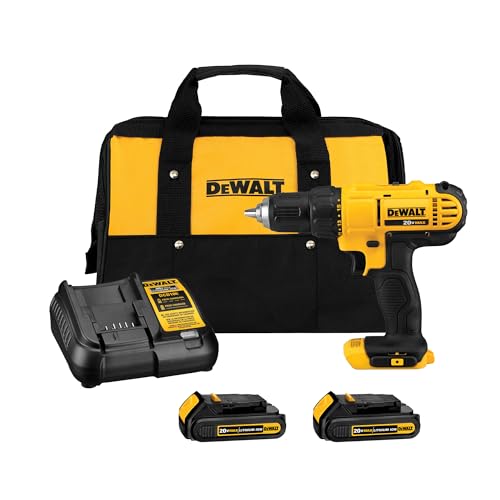
The DeWalt DCD771C2 is the all-round pick in this group, with a balance of power, size, and a complete kit in the box. Its 20-volt MAX platform drives a half-inch keyless chuck through a two-speed gearbox, which gives low speed for driving and high speed for drilling. Sixteen clutch settings let the driver sink a screw flush in pine without driving it through drywall or splitting a cabinet stile. The tool measures under eight inches long, which keeps it handy in a tool belt.
Two 1.3 amp-hour batteries and a charger come in the box. A marketplace crawl from eight months ago named the exact model and ASIN, and a roundup checked in early November 2026 showed the kit sold by Amazon itself, though one older crawl showed no featured offers, so confirm the listing before ordering.
Specs: Model DCD771C2; 20V MAX; 1/2-inch keyless chuck; two-speed gearbox, 0 to 450 and 0 to 1,500 RPM; 16 clutch settings; 300 unit watts out; two 1.3 Ah batteries and charger included; ASIN: B00ET5VMTU
Makita XFD131 18V LXT Brushless Drill Driver

The Makita XFD131 is the brushless pick, and its motor is the reason it runs longer on a charge than a brushed driver of the same voltage. A brushless motor has no carbon brushes to wear out, which means less friction and less heat. The 18-volt LXT platform drives a half-inch metal chuck with a maximum torque of 440 inch-pounds, which is enough to drive long screws into hardwood without bogging down. Two speeds cover slow driving and fast drilling, and 21 clutch settings give fine control over screw depth.
One roundup figure for this driver lists 650 inch-pounds of torque, which is wrong: Makita’s own figure is 440 inch-pounds, and this guide uses the maker’s number. A tracker page confirmed the model and ASIN with an in-stock offer, though no marketplace crawl of the product page names the code, so confirm the listing before ordering. Check whether the battery and charger are included, since some sellers list the bare tool alone.
Specs: Model XFD131; 18V LXT; brushless motor; 1/2-inch metal chuck; 440 inch-pounds maximum torque; two-speed gearbox, 0 to 500 and 0 to 1,900 RPM; 21 clutch settings; ASIN: B07GZFN7LT
Bosch GSR12V-140FCB22 12V Max Flexiclick Drill Driver

The Bosch GSR12V-140FCB22 is the compact pick, and its Flexiclick system is what makes it useful in places a full-size driver cannot reach. The head accepts five attachments: a keyless chuck for drilling, a right-angle attachment for work between studs, an offset attachment for screws beside a wall, and a bit holder for driving. Changing attachments takes seconds and needs no tools, which matters inside a cabinet carcass. The 12-volt motor is smaller than the 18 and 20-volt tools here, yet it still delivers 300 inch-pounds of torque, which is enough for pilot holes, hinge screws, and hardware.
A tracker page confirmed the model and ASIN, and an October 2026 deals post showed the kit listed through Amazon. The 12-volt batteries are small and light, which keeps the tool balanced for overhead work, and the same batteries fit other Bosch 12-volt tools.
Specs: Model GSR12V-140FCB22; 12V Max; Flexiclick 5-in-1 head system; 300 inch-pounds maximum torque; two-speed gearbox, 0 to 400 and 0 to 1,300 RPM; 3/8-inch keyless chuck attachment; ASIN: B074GYX6XG
Milwaukee 2801-20 M18 Compact Drill Driver
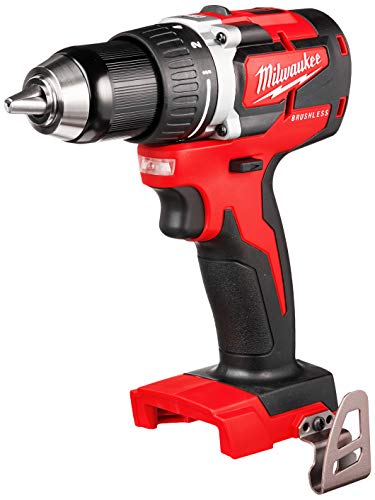
The Milwaukee 2801-20 is the pick for a carpenter who already owns M18 batteries, since it is sold as a bare tool and costs less than a full kit. Its 18-volt motor drives a half-inch metal chuck with 500 inch-pounds of torque, which handles lag screws and large spade bits in framing lumber. Two speeds cover slow driving and fast drilling, and an LED light on the foot lights the work in a dark joist bay or inside a cabinet.
Milwaukee has replaced the 2801 with a newer 3601 generation, listed at 550 inch-pounds with a shorter body, so confirm the model code 2801-20 on the box before ordering, since some listings mix the two generations. A tracker page confirmed the model and ASIN with the part number, though no marketplace crawl of the product page names the code, so confirm the listing before ordering. Buy this driver only if you already own M18 batteries and a charger, since neither is in the box.
Specs: Model 2801-20; 18V M18; 1/2-inch metal chuck; 500 inch-pounds maximum torque; two-speed gearbox, 0 to 500 and 0 to 1,900 RPM; LED work light; bare tool, battery and charger sold separately; ASIN: B07HMFXHH5
BLACK+DECKER LDX120C 20V MAX Drill Driver

The BLACK+DECKER LDX120C is the budget pick, and it earns its place by doing the common jobs well at a much lower cost than the pro tools here. Its 20-volt MAX motor drives a three-eighths-inch chuck with an 11-position clutch, which is enough to drill pilot holes and drive screws in pine, plywood, and drywall. A single speed tops out at 750 RPM, which is slower than the two-speed tools here, so it drills clean holes in softwood but takes longer in hardwood. The tool is light and short, which makes it easy to hold for a long session of assembly work.
A marketplace crawl named the exact model and ASIN and showed the tool shipping from Amazon itself. The kit includes a 1.5 amp-hour battery and a charger, so it is ready to work out of the box.
Specs: Model LDX120C; 20V MAX; 3/8-inch keyless chuck; 11-position clutch; single speed, 0 to 750 RPM; 1.5 Ah battery and charger included; ASIN: B005NNF0YU
How to Choose a Cordless Drill Driver for Carpentry Work
Match the voltage to the work first. A 12-volt driver is light, short, and easy to hold overhead, which suits cabinets, hardware, and assembly. An 18 or 20-volt driver has the power for framing, lag screws, and large spade bits, which suits rough carpentry and deck work. Note that 20-volt MAX and 18-volt are the same power class under different brand labels, so compare torque and chuck size rather than the voltage number.
Look at torque and the clutch next. Torque is the turning force, and more of it means the driver keeps turning when a long screw meets dense wood. The clutch is a slip setting that stops the chuck at a set torque, which controls how deep a screw sinks. Low settings suit softwood and drywall, where a screw can sink too deep, and high settings suit hardwood, where a screw needs full force to seat. More settings give finer control when the same driver moves between pine trim and oak frames in one day.
Check the chuck size and the speed range. A half-inch chuck accepts large spade bits and auger bits, which a three-eighths-inch chuck cannot hold. A two-speed gearbox gives low speed with high torque for driving and high speed for drilling, while a single-speed driver is simpler but slower in hardwood. Look for a trigger that lets the speed rise gently, since a sudden full-speed spin can wander off the mark.
Consider the battery platform and the motor type. A battery platform shares batteries across every tool in the brand, so a carpenter who already owns drills, saws, and lights on one platform saves money by buying bare tools. A brushless motor runs longer on a charge and lasts longer than a brushed motor, though it costs more up front. Check whether the listing includes batteries and a charger, since a bare tool is a bargain only when the batteries are already in the shop.
Who Should Skip These Drill Drivers
A carpenter who only drives small screws into softwood can skip the full-size tools here, since a compact 12-volt driver does that work with less weight and less fatigue. Anyone drilling into brick, block, or concrete needs a hammer drill, since a drill driver has no hammer action and will not cut masonry. A shop that drives long fasteners all day should add an impact driver, which is a different tool with a hex collet and a hammering rotation that suits long screws better.
Frequently Asked Questions
What is the difference between a drill driver and an impact driver?
A drill driver has a keyed or keyless chuck and an adjustable clutch, which suits precise holes and controlled screw depth. An impact driver has a hex collet and a hammering rotation, which suits long fasteners and lag screws.
Is a 12-volt drill driver enough for carpentry?
Yes, for cabinets, hardware, and assembly work, where the screws are short and the wood is soft. No, for framing, lag screws, and large auger bits, where the work needs more torque than a 12-volt motor delivers. Match the voltage to the heaviest job the driver will do every week, not to the lightest one.
What does the clutch on a drill driver do?
The clutch slips at a set torque so the screw stops at the right depth. A low setting suits softwood and drywall, where a screw can sink too deep and split the wood or break the paper face. A high setting suits hardwood, where a screw needs full force to seat flush. Set the clutch low and raise it one click at a time until the screw seats cleanly.
Can I use one battery platform for the whole shop?
Yes, and most carpenters do. One brand’s batteries fit every tool on that platform, from drills and saws to lights and radios, which saves money and bench space. Check the platform’s range before committing, since a platform with few tools will not cover the shop.
Final Verdict
The DeWalt DCD771C2 is the best all-round cordless drill driver for most carpentry, since its 20-volt platform, half-inch chuck, and two-speed gearbox cover framing and cabinet work alike. The Makita XFD131 suits daily use with brushless efficiency, the Bosch GSR12V-140FCB22 suits tight spaces with its Flexiclick head, the Milwaukee 2801-20 suits a carpenter already on M18 batteries, and the BLACK+DECKER LDX120C suits light-duty work on a small budget. Match the voltage to the work, the chuck to the bits, and the clutch to the screws.
Related guides
More from Amazon
Programs that pair well with the guide above. Offers and eligibility are set by Amazon and may change.
A free business account with business pricing and bulk-buying tools for work, shop or home office.
Create a business accountFree shipping on eligible items, Prime Video and more. Eligible new members can start with a free trial.
Start a Prime free trialAudiobooks and podcasts to listen to on the go. Eligible new members can start with a free trial.
Try Audible freeAd-free music streaming. Eligible new subscribers can start with a free trial.
Try Music Unlimited freeAs an Amazon Associate we earn from qualifying purchases.






Write Your Review
No reviews yet. Be the first to share your experience!