
Key takeaways
- Learn how to choose the right impact driver for carpentry and woodwork, from torque and speed settings to bit fit, battery platform, and grip comfort.
What's inside
As an Amazon Associate I earn from qualifying purchases. This post may contain affiliate links at no extra cost to you.
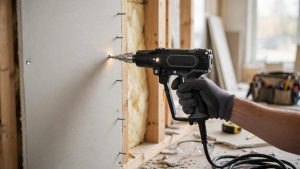
An impact driver is the tool that turns a long screw into a quick job and a stubborn lag bolt into a routine one. Where a drill spins and slips, an impact driver adds rapid rotational taps that keep the bit seated and drive the fastener home without twisting your wrist. For carpentry, that difference shows up everywhere: framing a wall, hanging a deck board, fitting cabinet hardware, or driving screws into dense hardwood without a pilot hole.
Choosing the right one is less about chasing the biggest torque number and more about matching the tool to the work you do most. A compact driver suits overhead cabinet work, a high-torque model suits decking and timber framing, and the battery platform you already own often decides the brand. This guide explains the factors that matter, then compares five impact drivers that cover the common carpentry jobs.
As an Amazon Associate, we earn from qualifying purchases.
Sections
Quick Answer
For most carpentry, a compact 18-volt or 20-volt brushless impact driver with at least 1,600 inch-pounds of torque, three or four speed settings, and a 1/4-inch hex chuck covers framing, decking, and cabinet work. Match the battery platform to the tools you already own, favor a model with a light and a belt hook, and keep a set of impact-rated bits on hand.
How to Choose an Impact Driver
Torque and speed decide what the driver can drive and how gently it can do it. Torque output, measured in inch-pounds, sets the ceiling for long screws and lag bolts, and most carpentry falls between 1,600 and 2,200 inch-pounds. Speed settings matter just as much: a low gear suits small screws and softwood, where a full-power blast would split the board, while a high gear drives long fasteners into framing lumber. Look for at least three speed settings, and favor a model with a self-tapping or precision mode that slows the driver as the screw seats.
The chuck, bit fit, and battery platform shape daily use. A 1/4-inch hex quick-release chuck is the standard for impact drivers, and a one-handed bit change keeps the work moving when you switch between driving and drilling. Some models add a 1/2-inch square drive for sockets, which helps with lag bolts and timber connectors. Battery platform matters more than brand loyalty: a driver that shares batteries and chargers with your drill, saw, and sander costs less over time and keeps the truck lighter. Check the voltage class and the amp-hour options before committing to a new platform.
Size, weight, grip, and extras decide comfort on long jobs. A compact head, under six inches long, reaches between studs and inside cabinets where a longer driver cannot fit. Weight under three pounds with a small battery keeps the wrist fresh during overhead work, while a rubber overmold grip absorbs vibration. A bright LED helps in dark corners, and a belt hook keeps the tool on your hip between cuts. A variable-speed trigger with a smooth pull gives more control than one that jumps from zero to full speed.
Best Impact Drivers for Carpentry and Woodwork
DEWALT DCF887B 20V MAX XR Brushless Impact Driver
The DEWALT DCF887B is the compact all-rounder, a 20-volt brushless driver that balances power and size for everyday carpentry. Its motor delivers 1,825 inch-pounds of torque with three speed settings, topping out at 3,250 revolutions per minute and 3,800 impacts per minute. PrecisionTap mode slows the driver as the screw seats, which protects small fasteners and thin stock from overdriving. The head measures just over five inches long, so it reaches between studs and inside cabinets, and the tri-LED ring lights the work from three sides. Sold as a bare tool, it slots into the 20V MAX platform that many carpenters already run.
Specs: 20-volt brushless motor; 1,825 inch-pounds of torque; 3 speed settings; 0 to 3,250 revolutions per minute; 0 to 3,800 impacts per minute; 1/4-inch hex chuck; PrecisionTap mode; tri-LED work light; bare tool; ASIN B0183RLW8A
Best for: Carpenters who want a compact 20-volt driver that handles framing, decking, and cabinet work in one tool.
Milwaukee 2953-20 M18 FUEL Impact Driver
The Milwaukee 2953-20 is the power pick, an 18-volt FUEL driver that leads this group on torque output. Its brushless motor delivers 2,000 inch-pounds of torque, with a top speed of 3,900 revolutions per minute and 4,400 impacts per minute for fast driving into framing lumber. Four-mode DRIVE CONTROL lets you switch between a self-tapping mode, a precision mode, and two full-power settings, so small screws get a gentle touch and long lags get full force. Tri-LED lighting surrounds the chuck, and the compact head fits tight framing bays. As a bare tool, it joins the wide M18 platform.
Specs: 18-volt FUEL brushless motor; 2,000 inch-pounds of torque; 4-mode DRIVE CONTROL; 0 to 3,900 revolutions per minute; 0 to 4,400 impacts per minute; 1/4-inch hex chuck; tri-LED lighting; compact head; bare tool; ASIN B0BZSWTVCV
Best for: Framing and decking crews who want the highest torque in a compact 18-volt driver.
Makita XDT16Z 18V LXT Brushless Impact Driver
The Makita XDT16Z is the control pick, a driver built around four speeds and two assist modes that tame the power for delicate work. Its brushless motor delivers 1,600 inch-pounds of torque at up to 3,600 revolutions per minute and 3,800 impacts per minute. Quick-Shift Mode drops the speed and torque automatically as the screw seats, which keeps small fasteners from snapping, while Assist Mode adds a slow rotation that helps the bit bite into dense hardwood without slipping. The one-touch bit sleeve changes bits with one hand, and the compact body with a soft grip suits long days of cabinet and trim work.
Specs: 18-volt LXT brushless motor; 1,600 inch-pounds of torque; 4 speed settings; Quick-Shift Mode and Assist Mode; 0 to 3,600 revolutions per minute; 0 to 3,800 impacts per minute; 1/4-inch hex chuck; one-touch bit sleeve; bare tool; ASIN B07N9JBDK5
Best for: Cabinet and trim carpenters who value speed control and assist modes for delicate fasteners.
Bosch GDX18V-1800B12 18V Two-in-One Impact Driver
The Bosch GDX18V-1800B12 is the versatile pick, a driver with a two-in-one bit holder that takes both 1/4-inch hex bits and 1/2-inch square sockets. That dual holder means one tool drives screws and tightens lag bolts and timber connectors without a separate socket adapter. Its brushless motor delivers 1,800 inch-pounds of torque at up to 3,400 revolutions per minute and 4,200 impacts per minute, with three speed settings for control. The kit form brings two batteries and a charger, so it suits a carpenter who wants a complete setup rather than a bare tool. The compact head and balanced grip keep it comfortable during long runs of fasteners.
Specs: 18-volt brushless motor; 1,800 inch-pounds of torque; 2-in-1 bit holder, 1/4-inch hex and 1/2-inch square; 3 speed settings; 0 to 3,400 revolutions per minute; 0 to 4,200 impacts per minute; kit with 2 batteries and charger; ASIN B08PW5Y2J9
Best for: Carpenters who drive screws and tighten lag bolts with one tool, and want a kit with batteries included.
Ryobi PBLID01B 18V ONE+ HP Brushless Impact Driver
The Ryobi PBLID01B is the value pick, an 18-volt ONE+ HP driver that brings high torque to the largest budget cordless platform. Its brushless motor delivers 2,200 inch-pounds of torque, the highest figure in this group, with four speed settings for work from delicate trim screws to long deck screws. A tri-beam LED lights the work area from above and both sides, and the 1/4-inch hex chuck takes standard impact bits. As a bare tool, it fits the ONE+ battery system that covers dozens of tools, which makes it an easy add for a shop already running Ryobi batteries. Check the current listing before ordering, since stock on this model changes often.
Specs: 18-volt ONE+ HP brushless motor; 2,200 inch-pounds of torque; 4 speed settings; 0 to 2,900 revolutions per minute; tri-beam LED; 1/4-inch hex chuck; bare tool; ASIN B09SY66VTF
Best for: Home workshops and budget-minded carpenters who want high torque on the ONE+ battery platform.
Who Should Skip These Impact Drivers
An impact driver is the wrong tool when the job calls for precise drilling or a smooth, controlled hole. A drill driver with an adjustable clutch suits drilling in metal, tile, and plastic, where an impact mechanism would crack the material or wander off the mark. If the work is mostly drilling clean holes, a dedicated drill gives finer speed control and a keyed or keyless chuck that holds round-shank bits better than a hex quick-release.
An impact driver is also the wrong tool for very small screws in thin stock, where even the lowest speed setting can snap a fastener or strip the head. A hand screwdriver or a low-torque electric screwdriver suits hinge screws and hardware in softwood better. Heavy bolting belongs to an impact wrench, which delivers far more torque through a square drive. Match the tool to the fastener, and keep a drill and a hand driver nearby for the jobs an impact driver handles poorly.
FAQ
What is the difference between an impact driver and a drill?
A drill spins the bit with steady rotation and a clutch that limits torque, while an impact driver adds rapid rotational taps that hammer the fastener forward as it turns. The taps keep the bit seated in the screw head, reduce cam-out, and let the driver push long screws into dense wood without twisting your wrist. A drill suits drilling holes and driving small screws, while an impact driver suits long screws, lag bolts, and dense hardwoods.
Do I need impact-rated bits?
Yes. Impact-rated bits use tougher steel and a torsion zone that flexes slightly under the hammering action, which keeps the tip from shattering. Standard bits are more brittle and can snap inside the screw head, leaving a stuck fragment that is hard to remove. Buy a set of impact-rated Phillips, Torx, and square bits in common sizes, and replace a bit as soon as the tip shows wear.
Can an impact driver replace a drill for drilling holes?
It can drill in wood with hex-shank bits, and many carpenters use it for pilot holes and spade bits on framing jobs. For clean holes in metal, tile, or plastic, a drill gives better control and a smoother cut, since the impact action can crack brittle material and wander off the mark. Keep a drill for precision holes and use the impact driver for fastening.
How do I keep an impact driver from splitting wood?
Drill a pilot hole near the end of a board, especially in hardwood, and use a screw with a sharp point and a thread design suited to the material. Set the driver to a low speed for the first turns, and let the screw pull itself in rather than forcing it. Keep fasteners at least an inch from the end grain, and clamp the board so it cannot flex as the screw seats.
Final Verdict
For most carpentry, the DEWALT DCF887B and the Milwaukee 2953-20 cover the core roles, with the Milwaukee winning on torque and the DEWALT on compact size. The Makita XDT16Z suits cabinet and trim work, the Bosch GDX18V-1800B12 suits a carpenter who also tightens lag bolts, and the Ryobi PBLID01B brings high torque to a budget platform. Match the battery system you already own, then pick the torque and speed range your work demands.
Related guides
More from Amazon
Programs that pair well with the guide above. Offers and eligibility are set by Amazon and may change.
A free business account with business pricing and bulk-buying tools for work, shop or home office.
Create a business accountFree shipping on eligible items, Prime Video and more. Eligible new members can start with a free trial.
Start a Prime free trialAudiobooks and podcasts to listen to on the go. Eligible new members can start with a free trial.
Try Audible freeAd-free music streaming. Eligible new subscribers can start with a free trial.
Try Music Unlimited freeAs an Amazon Associate we earn from qualifying purchases.
Write Your Review
No reviews yet. Be the first to share your experience!